
HNC DUCK Servo Clutch – Automatic, Semi-Automatic, and Manual
The electronic DUCK servo clutch was born from the motorsport experiences of pilots such as Alessandro Zanardi, Albert Llovera, and Clay Regazzoni; thanks to this accumulation of knowledge, it has reached a high level of technology and versatility.

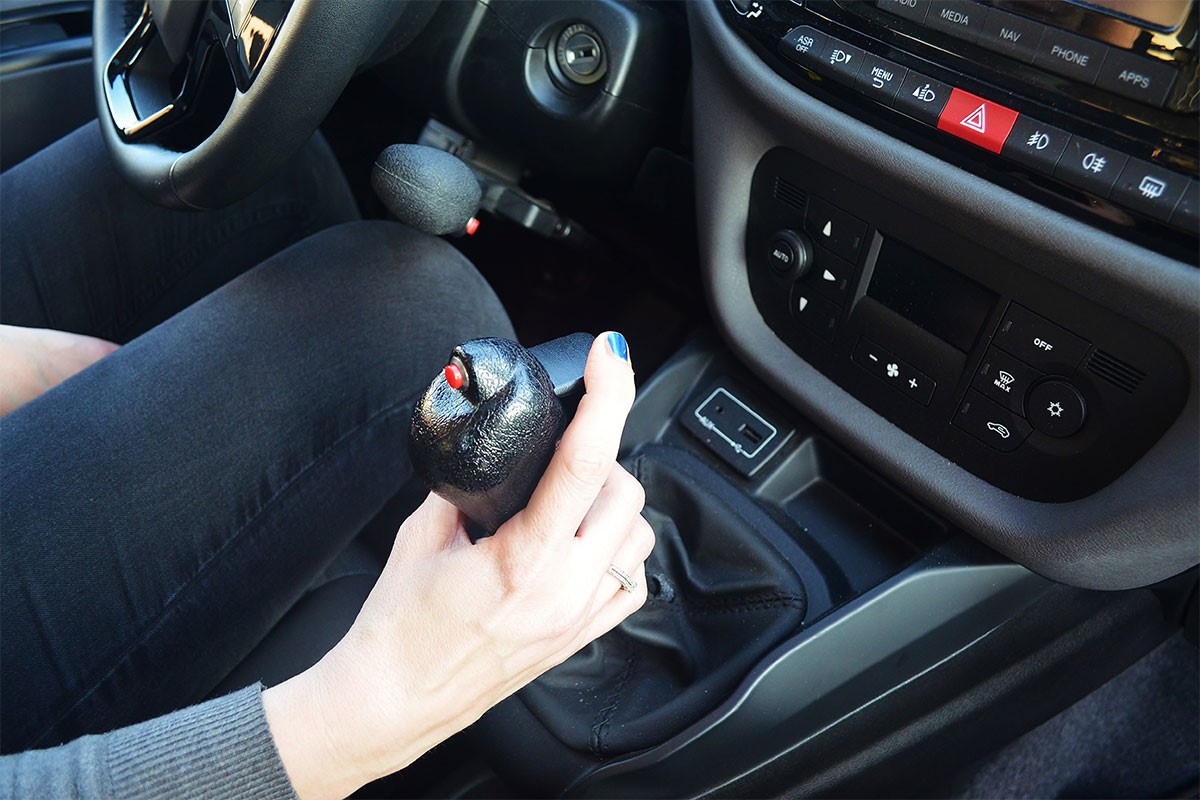
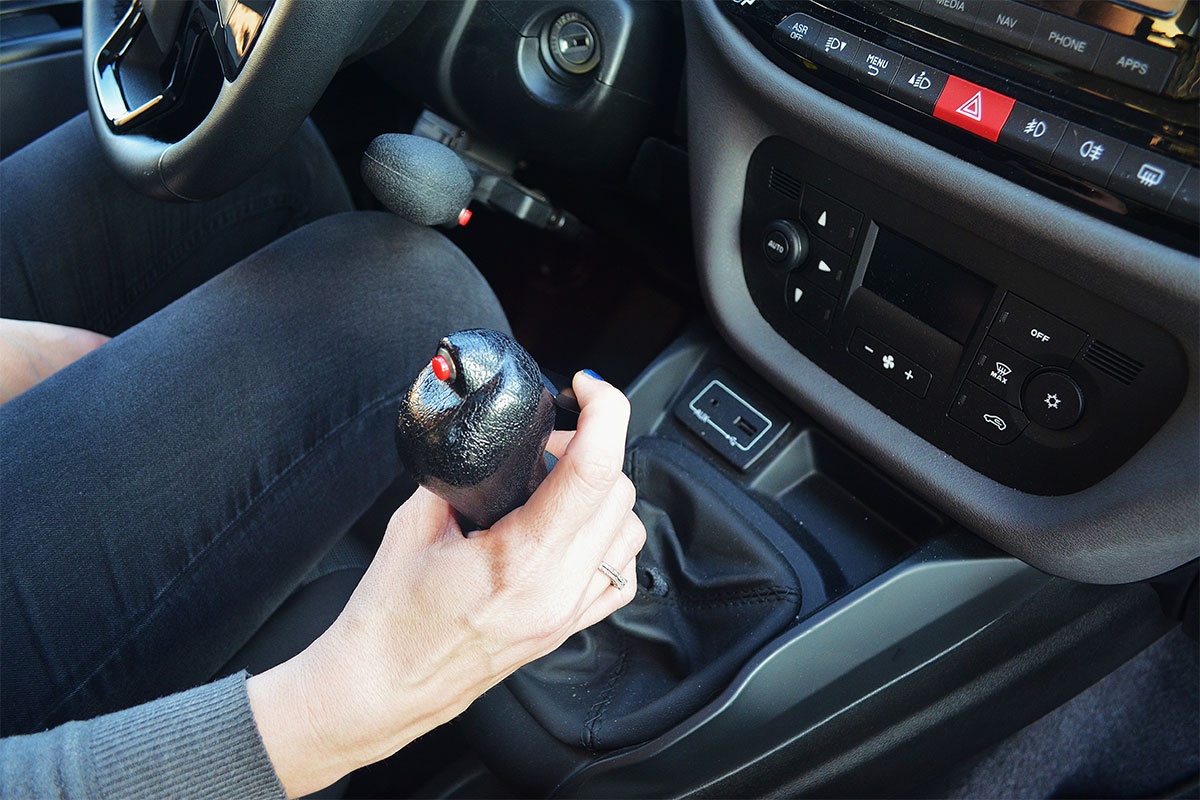
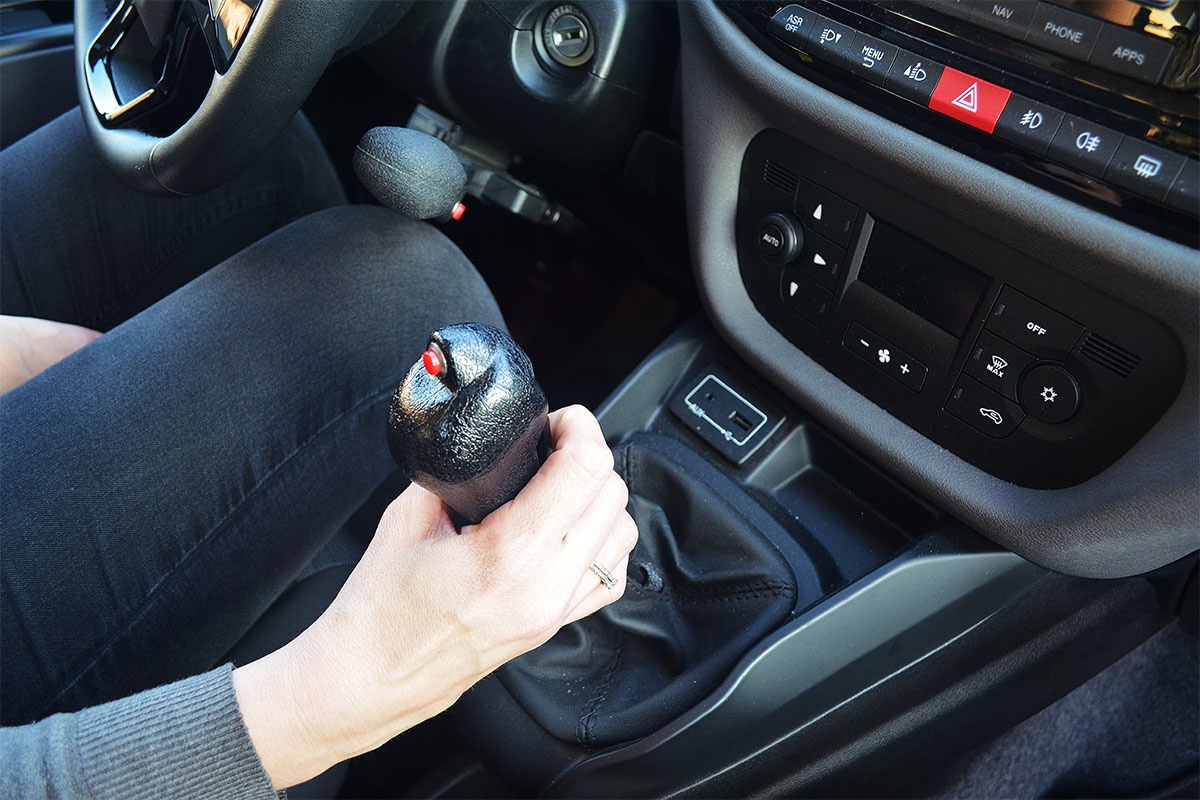
This clutch system offers 3 different driving configurations:
Automatic
Semi-automatic
Manual
This ensures ideal clutch-throttle harmony in urban, mountain, downhill, and mixed driving conditions.
It can be installed in all vehicles, including those with small engine capacities. It does not alter the operating principle of the vehicle’s original clutch system; it can be deactivated via a switch. It is a powerful alternative to automatic transmission: you control the vehicle, not the other way around.
In short, it gives the driver control over all maneuvers, both when stopping and moving. Thanks to the “duck” attachment on the gear lever, the driver can perform the same action with a single finger of their right hand that a normal driver performs with their left foot.
The system is not dependent on predefined and fixed settings that may be insufficient in extreme conditions (e.g., snowy hill starts). Thanks to dual potentiometer management, DUCK manual is an ideal solution for vehicles with numerous controls (low-gear vehicles, tractors, etc.).
Why Maya Mobility DUCK Semi-Automatic?
Manual DUCK is highly suitable for hemiplegia cases. However, in some situations, controlling the steering wheel with a single limb can make maneuvers difficult. For example, a user whose left lower extremity is dysfunctional after a stroke, even if they have partially recovered their left upper extremity, might struggle with reverse parking using manual DUCK. This is because their right hand would be on the gear lever to manage clutch slip with the “duck” attachment.
In this case, by installing a engine speed sensor, the user can switch the system from manual to automatic with a button, freeing both hands for the steering wheel. When the “duck” attachment is touched again (e.g., when shifting to second gear), the system automatically returns to manual mode.
Dual Potentiometer – For Paraplegic Drivers
As can be understood from the example above, there is no obstacle for a paraplegic driver to use a vehicle with DUCK manual. In this case, it is recommended to install an additional control on the brake lever (e.g., FS2004) to assist, especially when restarting after stopping on an incline.
Adjustable Spring System
All Maya Mobility automatic clutch systems are equipped with an adjustable counterbalancing spring. This feature minimizes the load on the motor, extending the lifespan of the motor and wear-prone components (e.g., brushes).