
You can’t miss what you’ve never seen
Stay in your wheelchair. Still go.
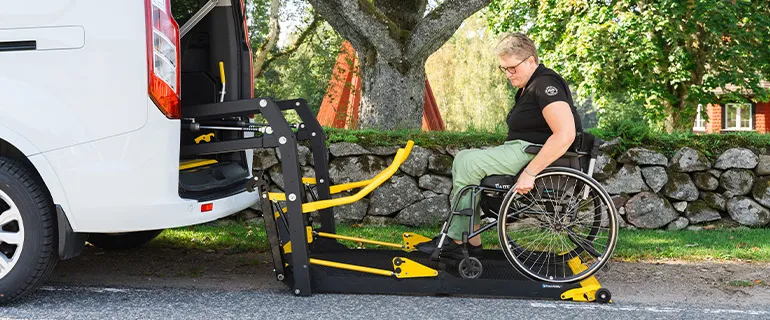
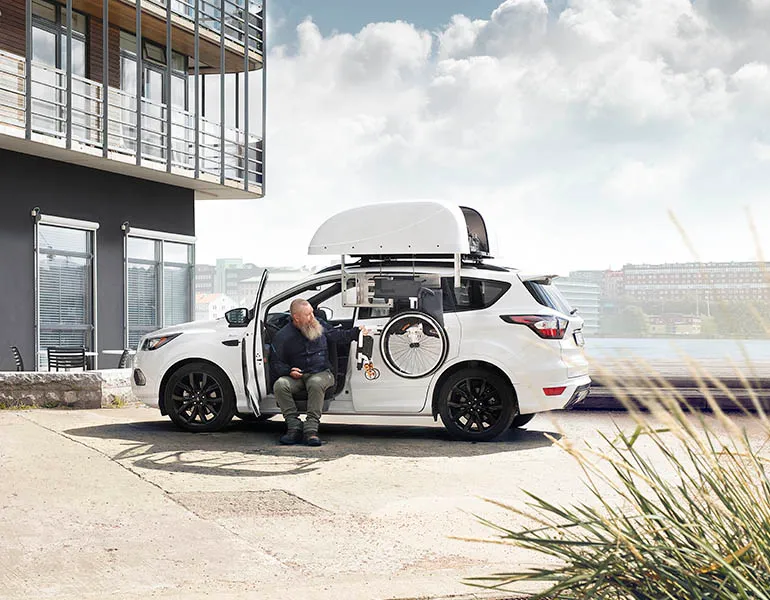
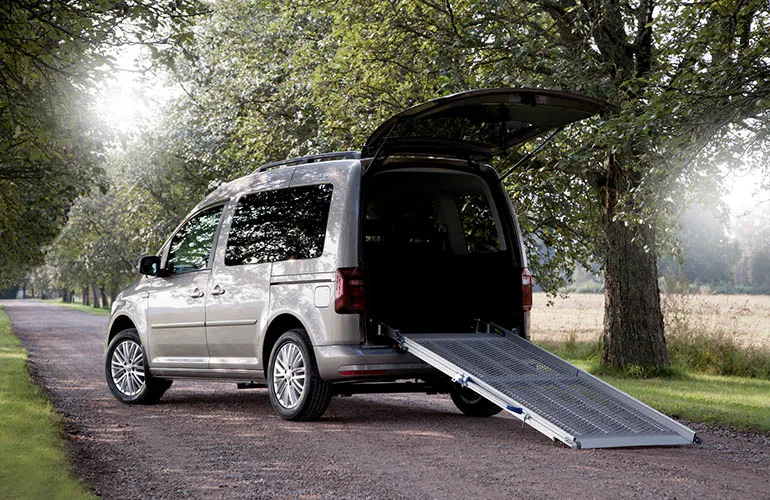
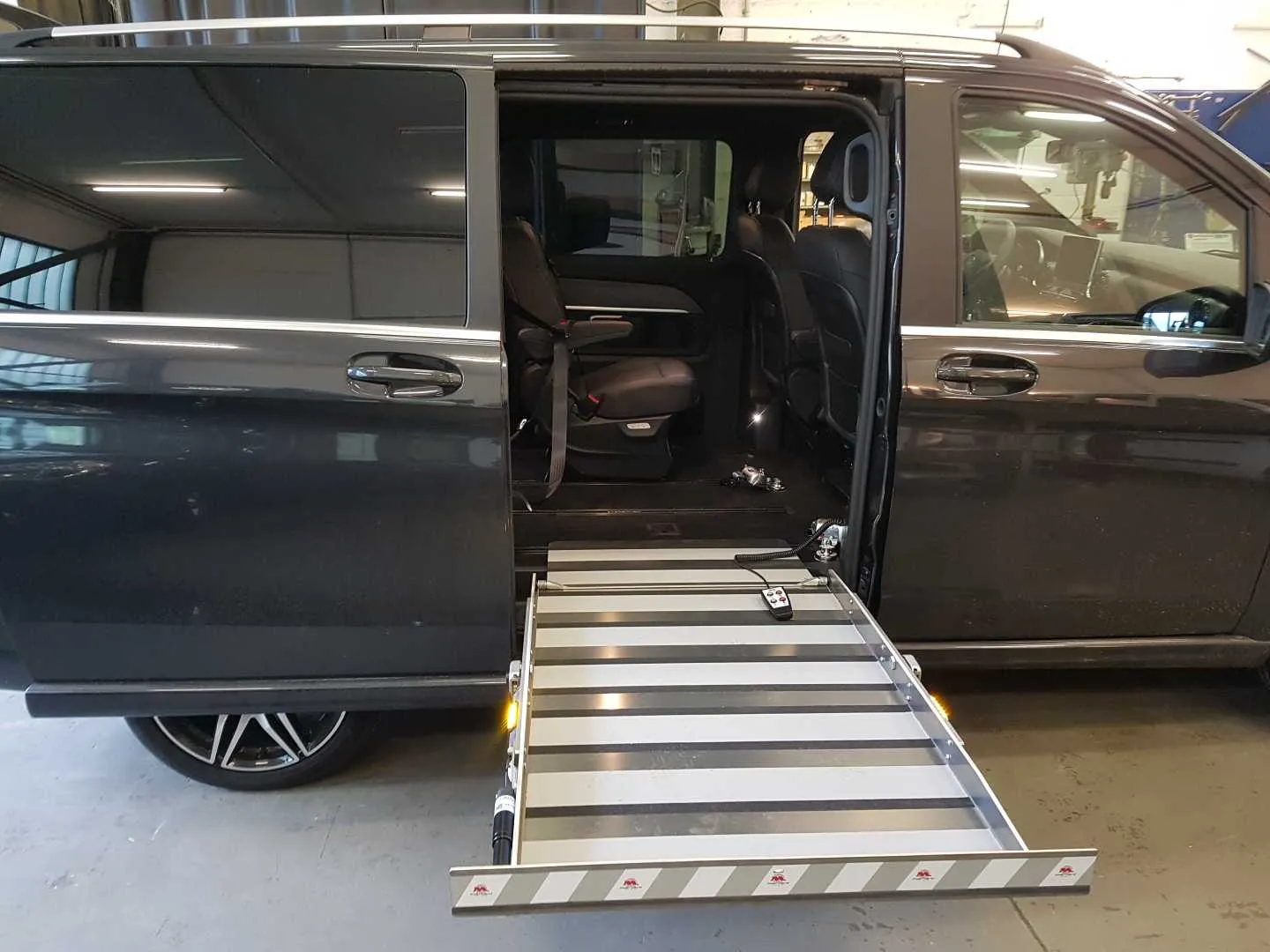
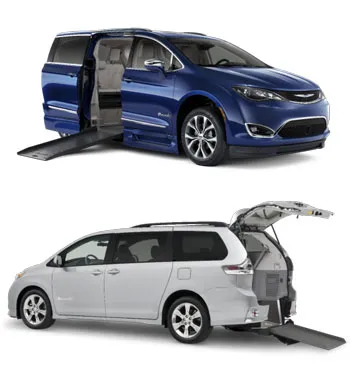
Many families assume the only option is to lift, transfer and struggle — because nobody showed them another way. A lowered floor vehicle (WAV) is that other way: roll in on a ramp, secure the chair, buckle up, and leave.
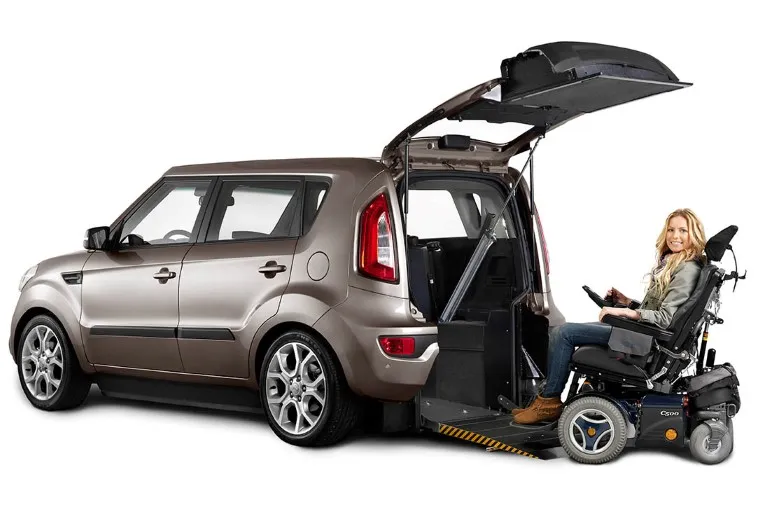
What Maya Mobility teaches first
If you’ve never seen it, you won’t ask for it.
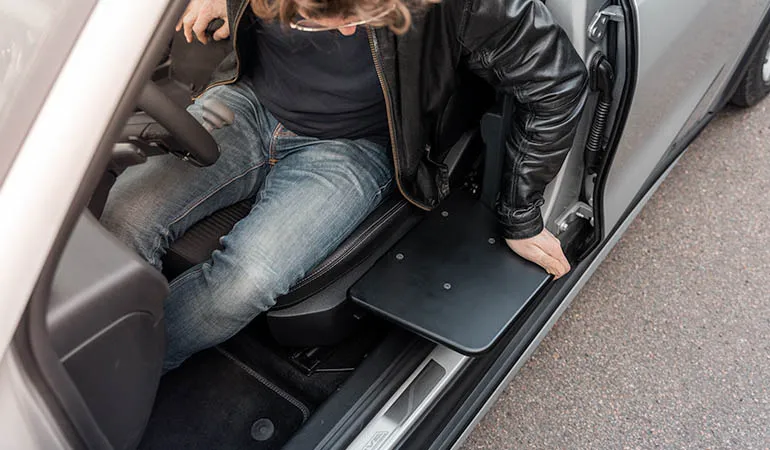
From a safety point of view, transferring into a proper car seat and using the car’s original seat belt is always preferred. But if you cannot transfer — or every trip turns into a battle of strength — that “preference” is not a real option for your household.
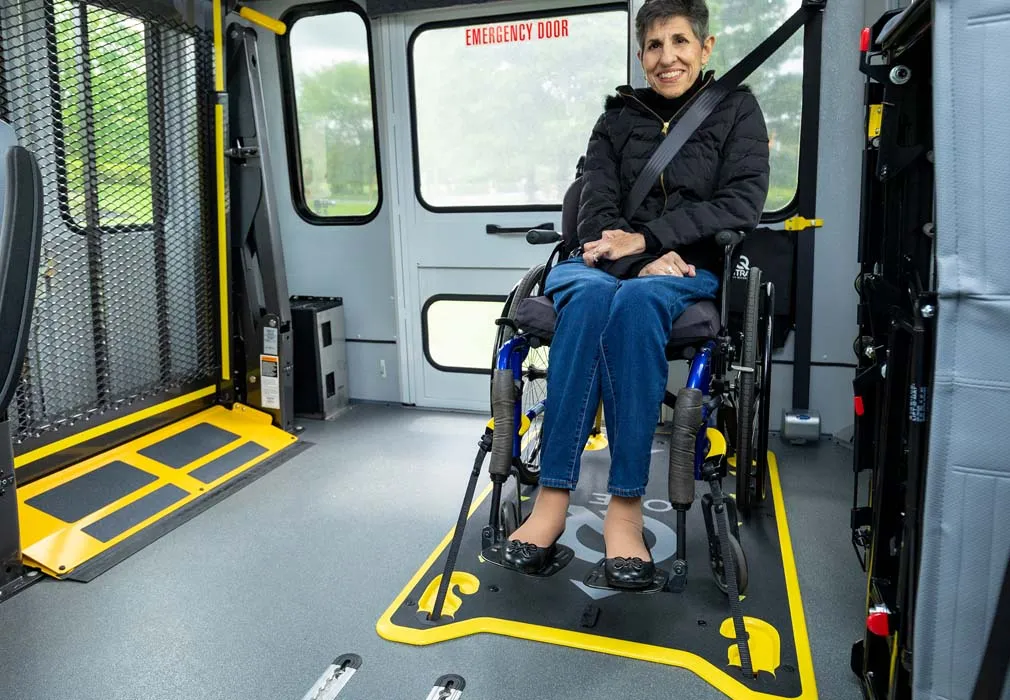
A lowered floor car (sometimes called a WAV) exists for that gap. You roll in via the ramp, buckle up — you and your wheelchair — and you’re ready for departure. Maya Mobility’s job is to help you recognise when this is the right tool, not to sell you a van you don’t understand.
When you want to drive
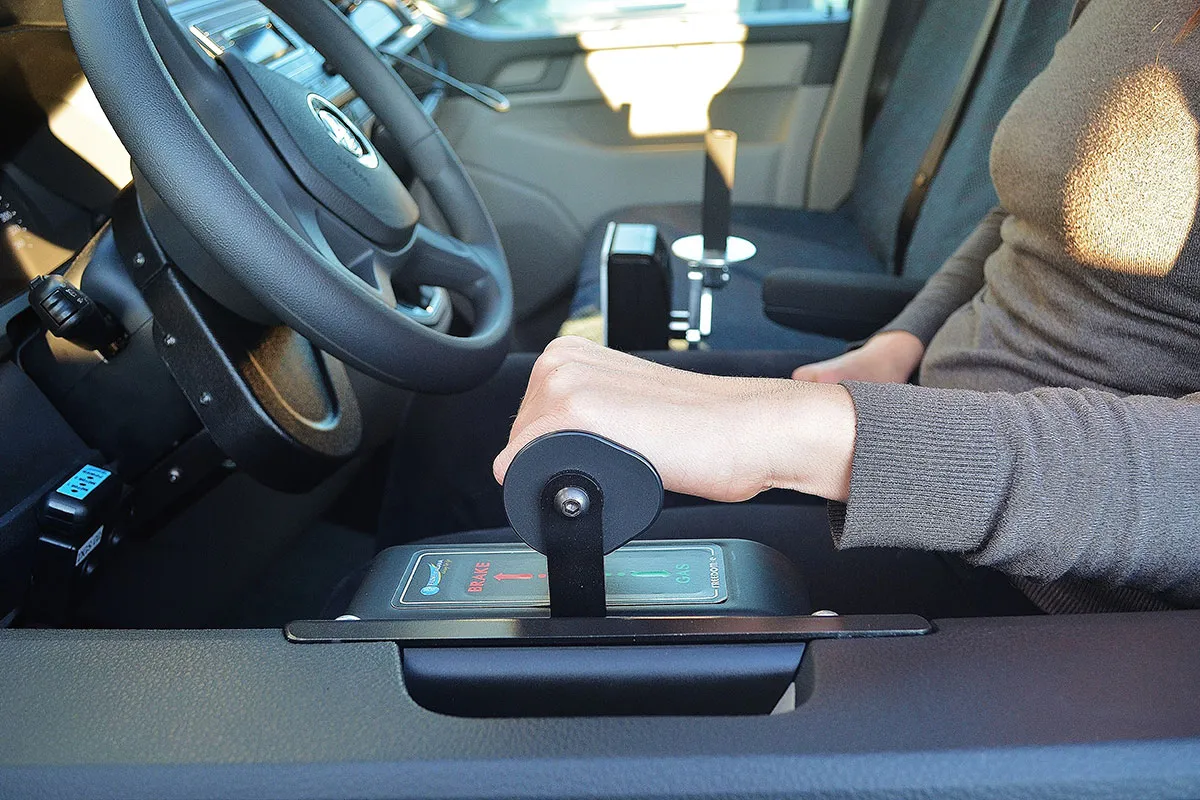
Roll all the way up to the steering wheel.
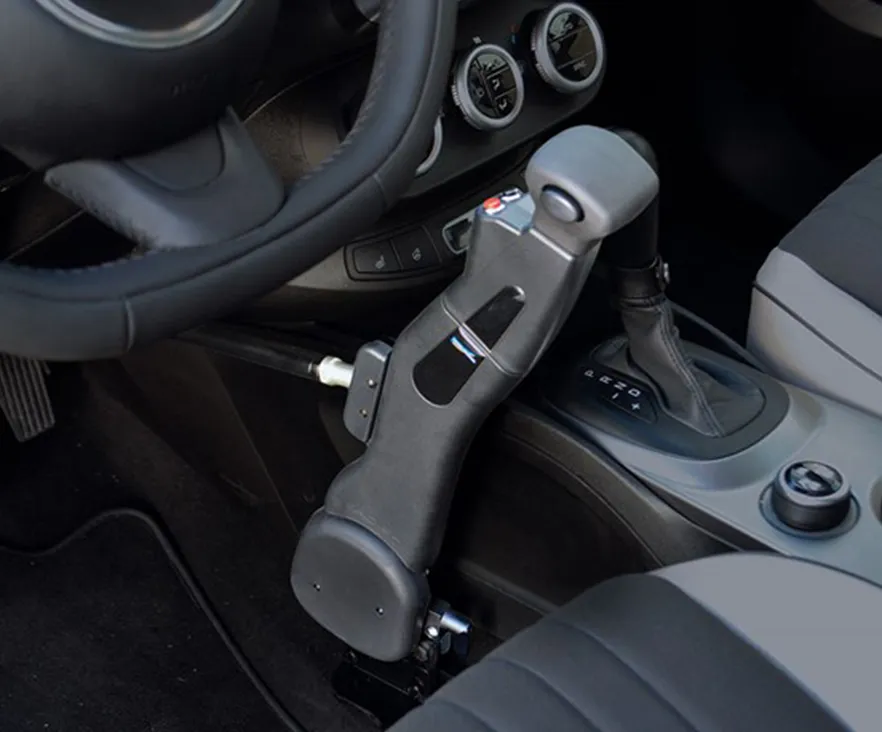
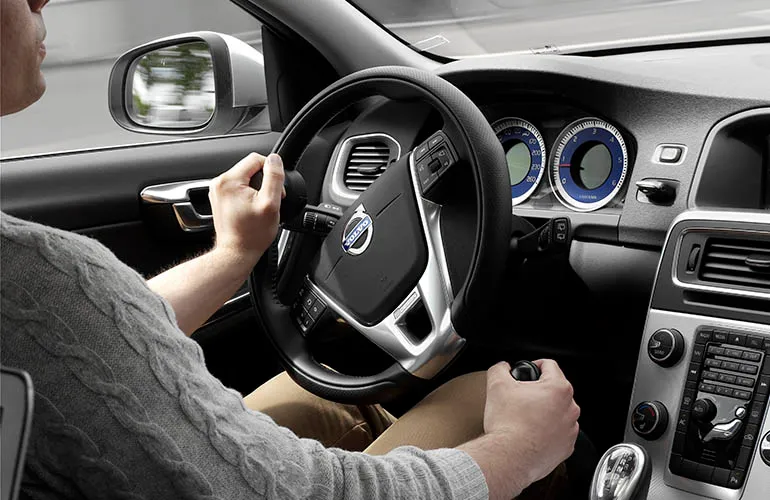
Lower the floor through the cabin. Enter from the side or the back. Roll to a designated driver position. Secure the wheelchair in a lock, fasten a three-point belt, start the car — and drive. Neck and back protection can be added when you use a manual wheelchair. This is not “making do.” It is a designed path from pavement to pedals.
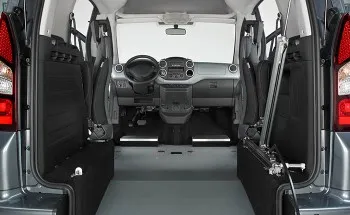
When the ramp feels too steep
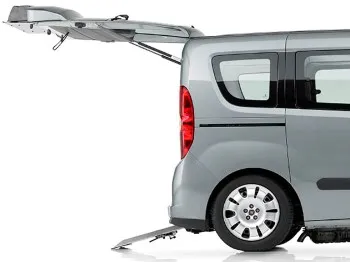
Make the ramp less steep — or shorter.
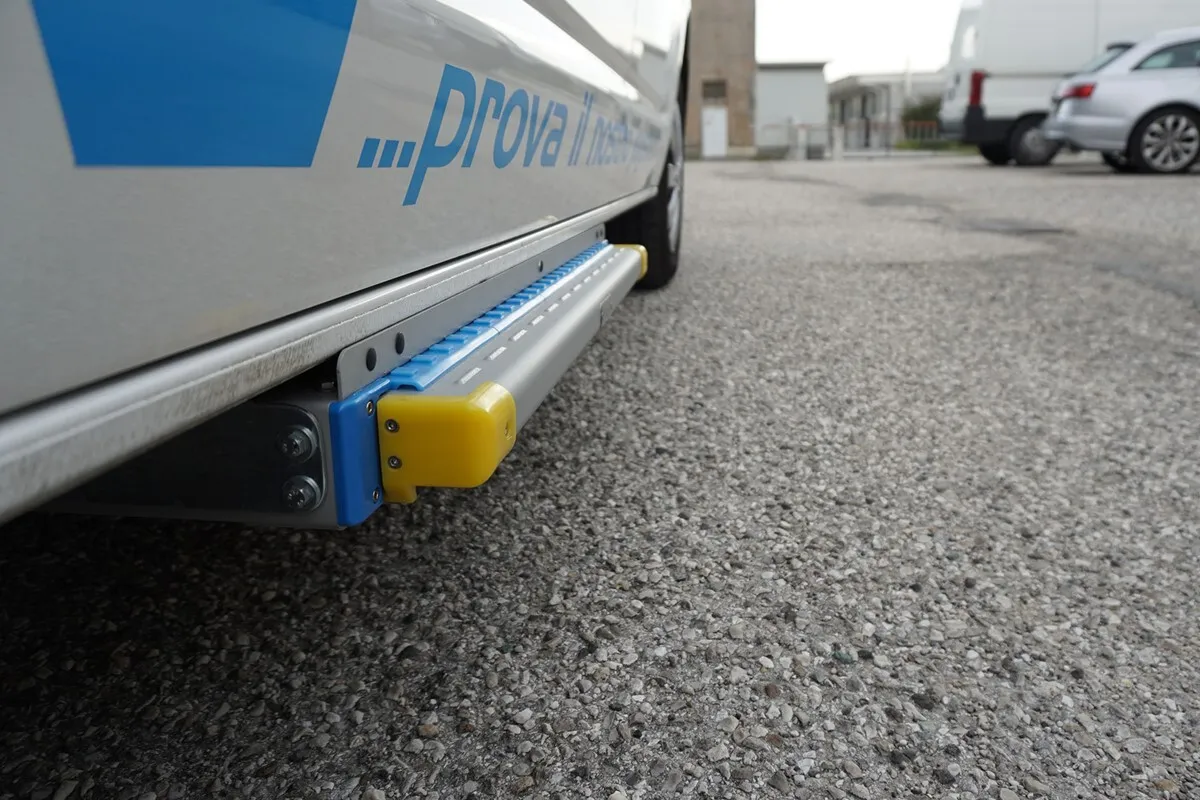
A hydraulic kneeling system uses the car’s suspension to lower the vehicle toward the ground. That shrinks the height difference between floor and pavement — so boarding takes less force, less fear, and less drama for the person pushing or driving the chair.
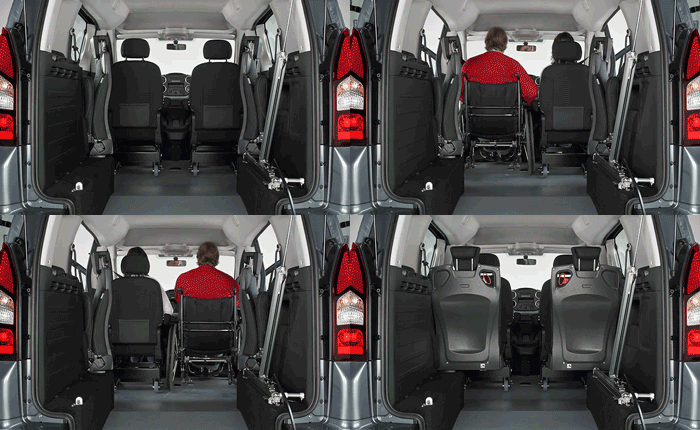
One household. Two ways to travel. The seats should move with your life — not against it.
When the family shares one car
Drive yourself today. Ride as a passenger tomorrow.
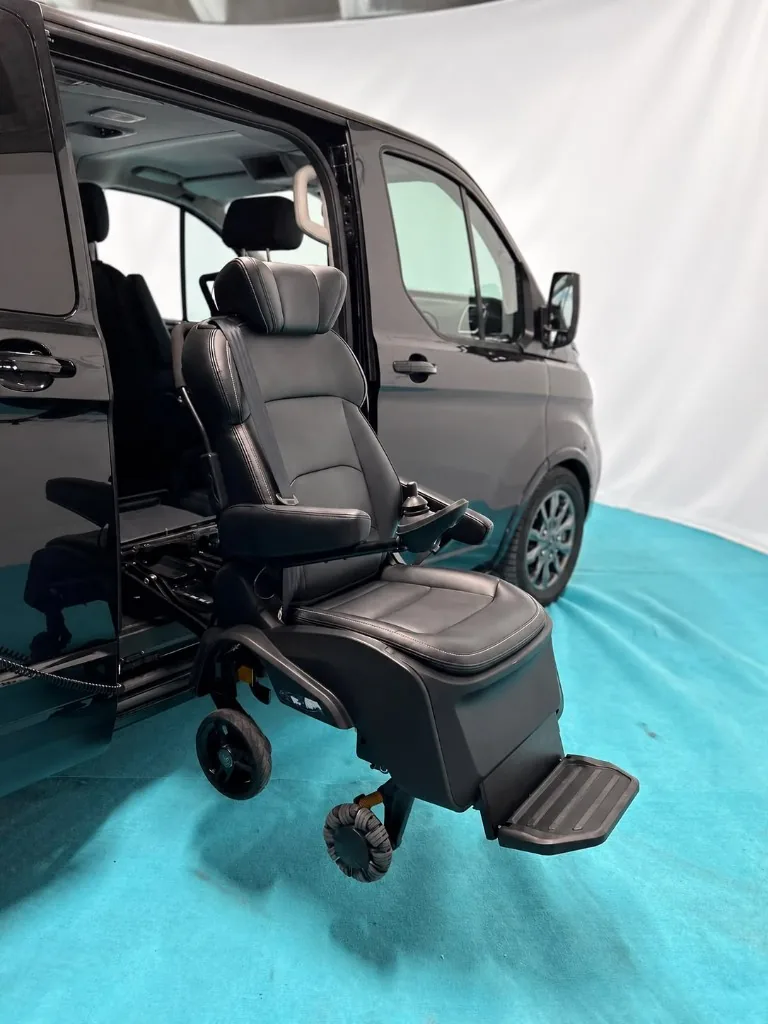
Flexible seating lets the wheelchair position and the car’s other seats change as often as you need. That matters when one person drives from the chair and another rides beside them — or when roles swap between appointments, school runs and weekends. You are not locking the car into a single story.
Parking decides the ramp
The ramp is the straight path in — its place decides your day.
In a lowered floor vehicle the ramp is how you enter. Where it sits changes which parking spaces you can use. Most people only discover this after buying the wrong layout. Ask the question before the conversion.
Safety is not optional
A lowered floor is no reason to compromise.
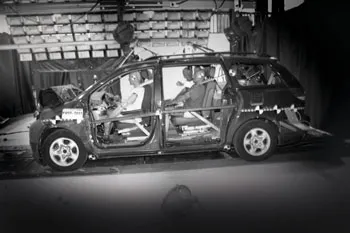
At minimum: a standard three-point seat belt, head and neck protection where needed, and the wheelchair secured separately with a lock or tie-downs. Adaptations must be carefully tested and meet passenger-car requirements. Freedom without securement is not freedom — Maya Mobility will not skip that conversation.
Signs this may be your solution
If any of these sound like home — keep reading.
Lifting into a car seat every trip risks injury — for the user or for the person helping.
You need a clear path from ramp to a secured driver position, not a folded wheelchair in the boot.
Street parking vs lot parking changes whether side or rear ramp will actually work for you.
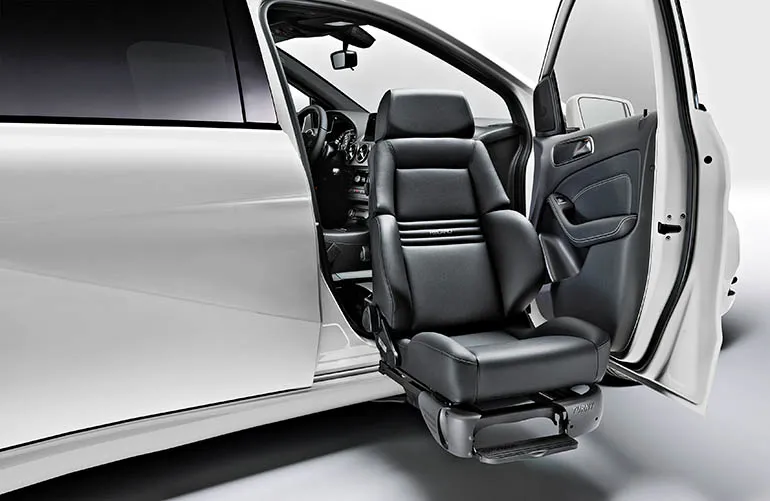
Driver one day, passenger the next — seating has to reconfigure without rebuilding the van.
Kneeling suspension exists so boarding does not depend on brute strength.
That is normal. Most people only learn this exists when someone shows them — that is our role.
FAQ
Questions people ask once they know the word “WAV”.
Not sure if this is you? That is exactly when to call.
Tell us how you travel today, whether transfer is possible, and how you park. A Maya Mobility specialist will help you see whether a lowered floor — or another solution — fits your life.
Other paths Maya Mobility may show you