
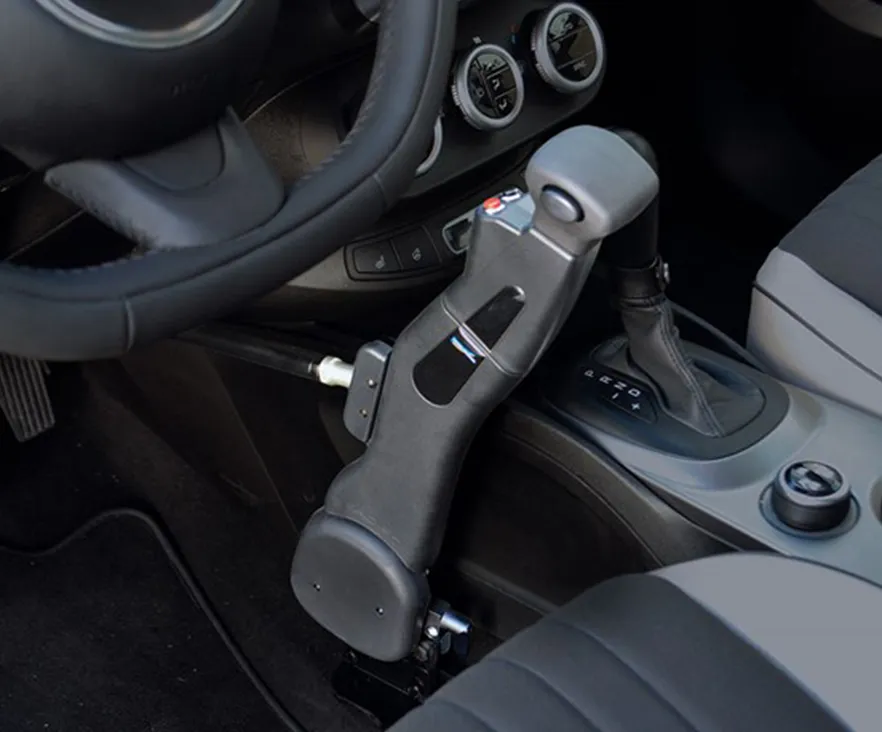
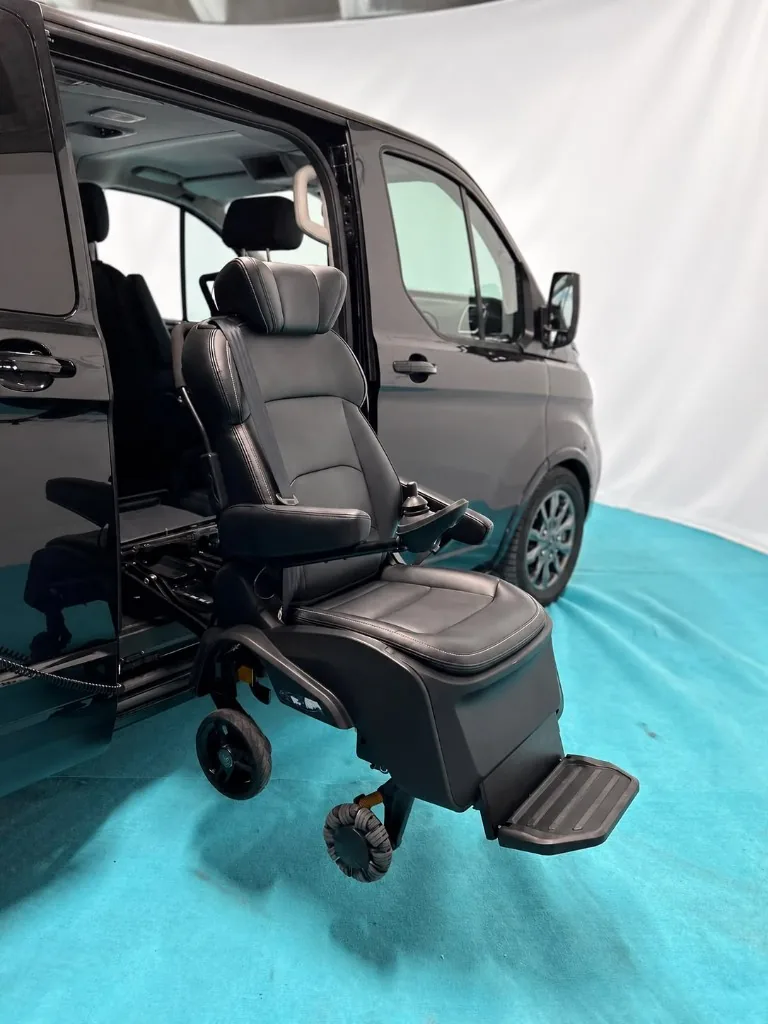
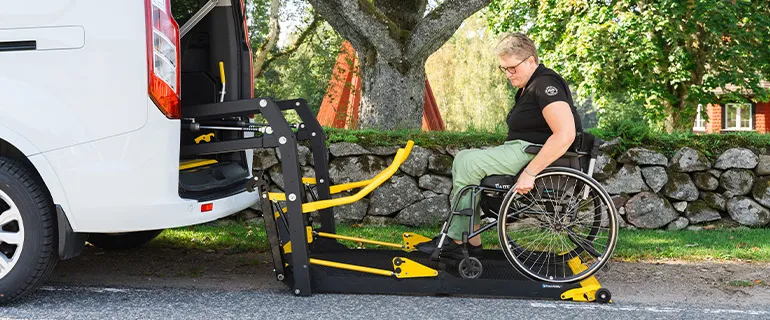
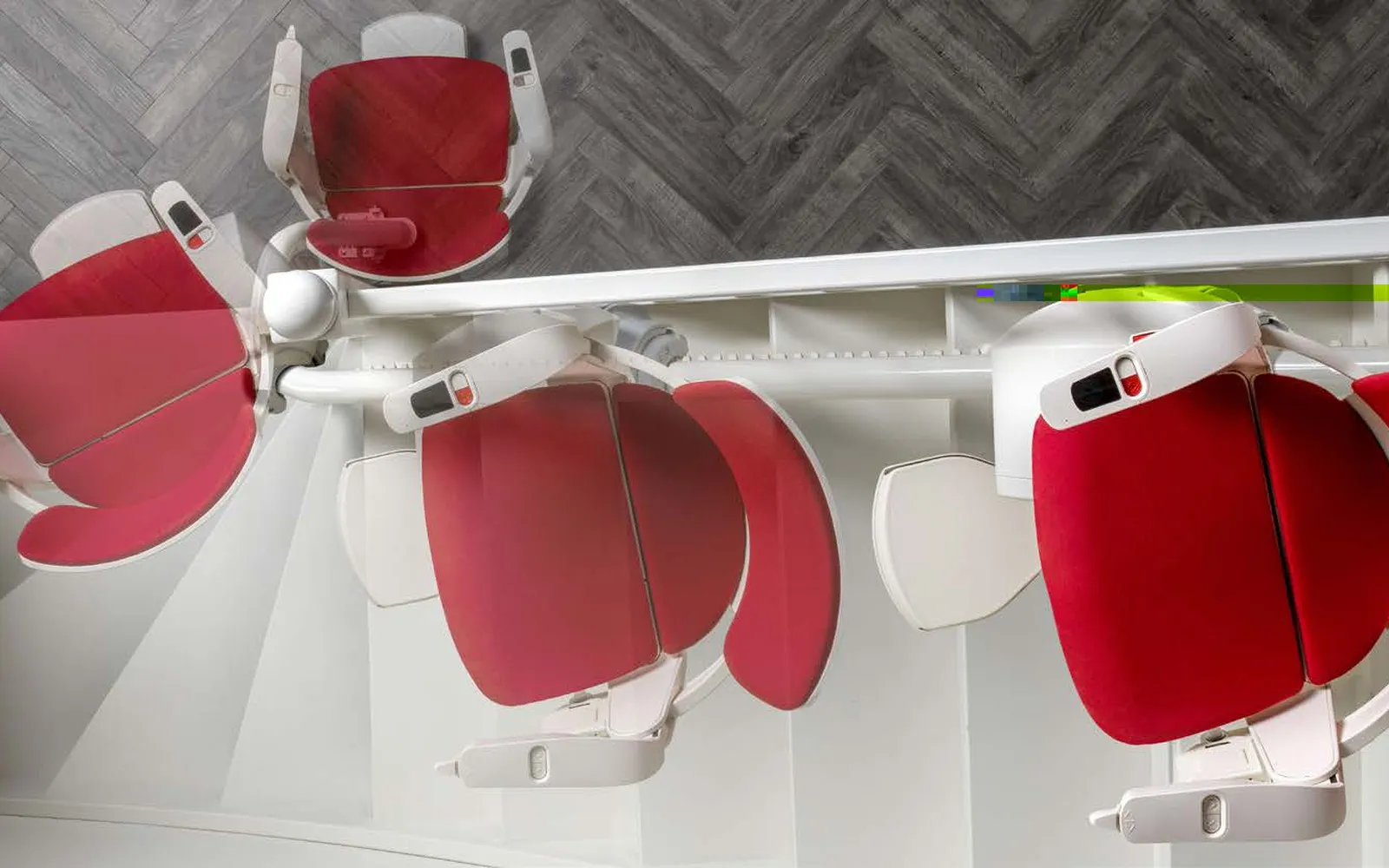

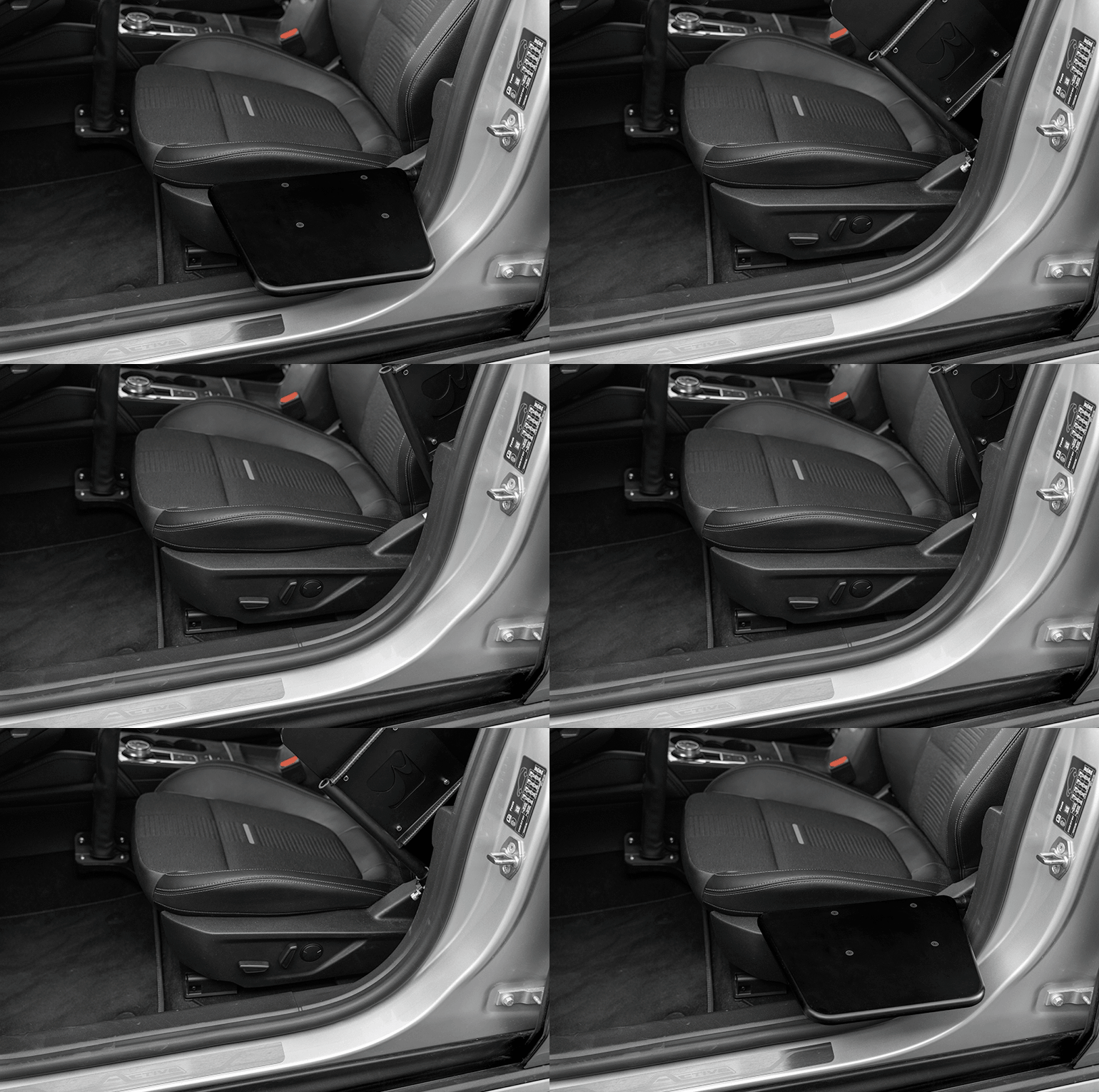

Transfer board folding and unfolding demonstration

Getting seated · Transfer board

Transfer board

A short stopover between wheelchair and car seat. Flip the board flat, slide across, then fold it away — or lift it off completely when someone else drives.

What most people never realise

The hard part is often not the wheelchair — it is the gap to the seat.

Many people can transfer independently, yet the open space between chair and cushion still feels unsafe: miss the edge, twist a shoulder, or ask a carer to lift more than they should. Families then jump to powered swivel seats or full vehicle conversions — solutions that are right for some, but more than others need.

A transfer board (also called a transfer plate or tip-up plate) is the simple middle step: a firm platform beside the seat for a short stopover before you slide in. Maya Mobility fits boards that fold discreetly when you drive — and that passengers who walk can use too, sitting first without crouching into the cabin.

Two ways people use it

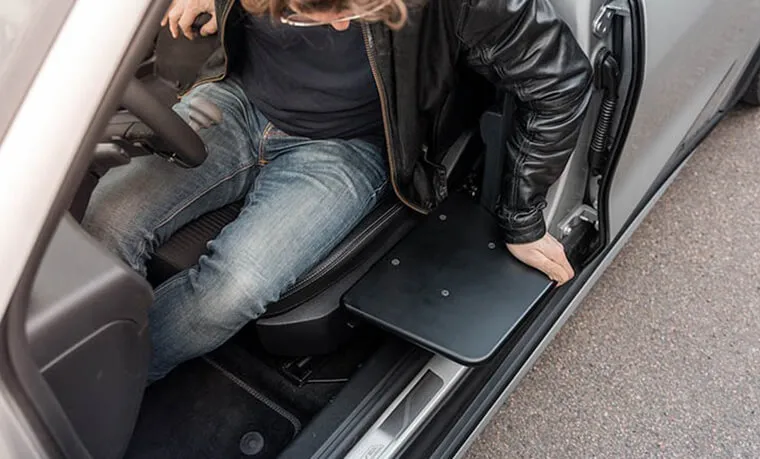
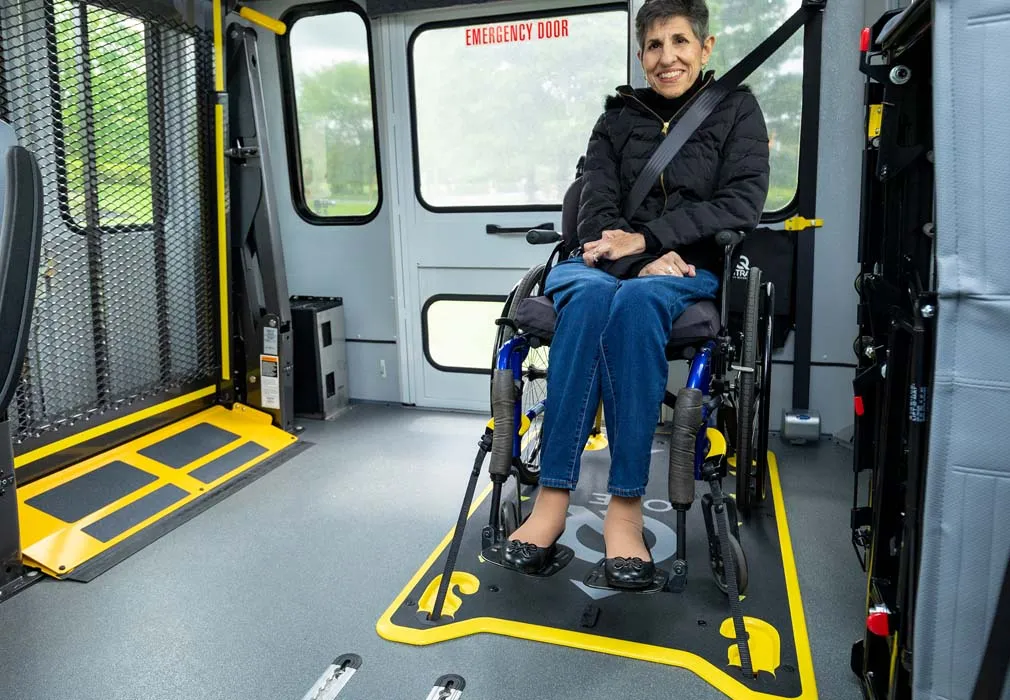
Wheelchair transfer — or sit first, then swing your legs in.

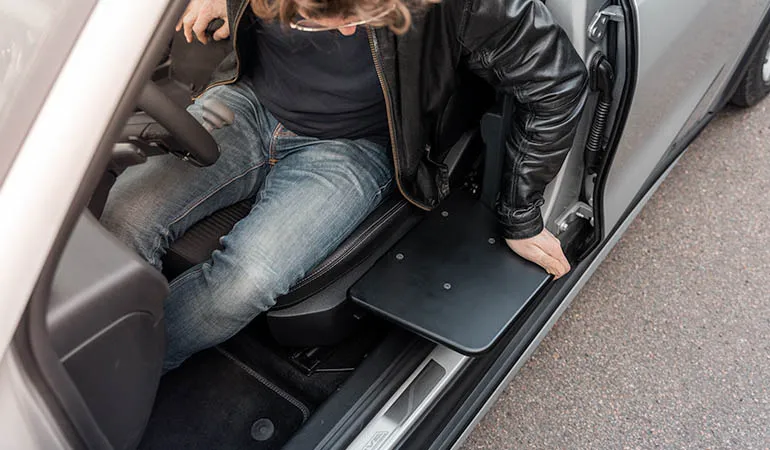
From a wheelchair: park close, flip the board down level with the cushion, transfer onto the platform, then slide across to the seat. From standing: sit on the board without crouching into the car at the same time; when you leave, rise straight up and hold the door for leverage if you need it.

That second use is why a transfer board helps far more than “wheelchair users only” — anyone who finds getting seated or standing up awkward can benefit.

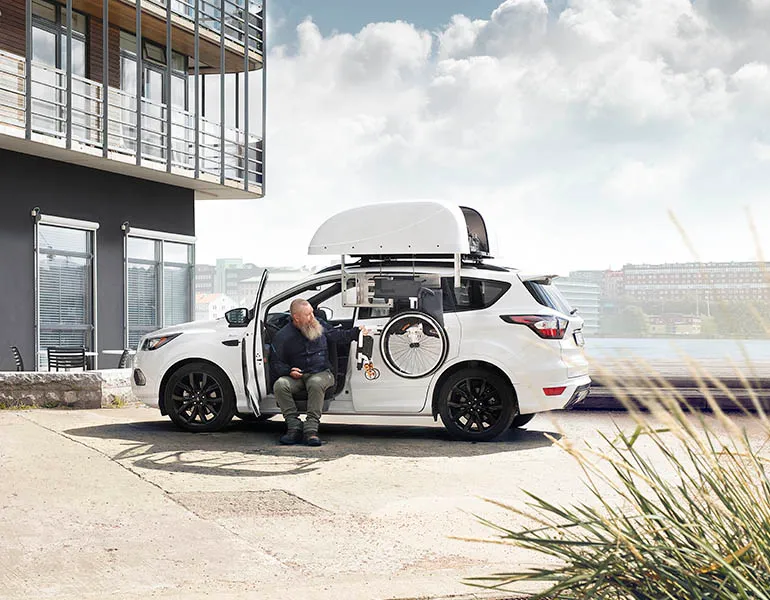
Person seated on a transfer board at the open car door
Sit on the board first — then move into the seat — instead of crouching and sitting in one strained motion.

01 · Bridge the sill

A level surface — no snags, no guesswork.

The board opens beside the seat as a roomy stopover platform. You slide on and off on a finished surface designed to stay comfortable and catch-free, instead of hopping a gap you cannot see behind you.
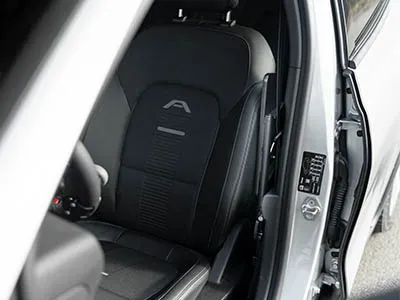
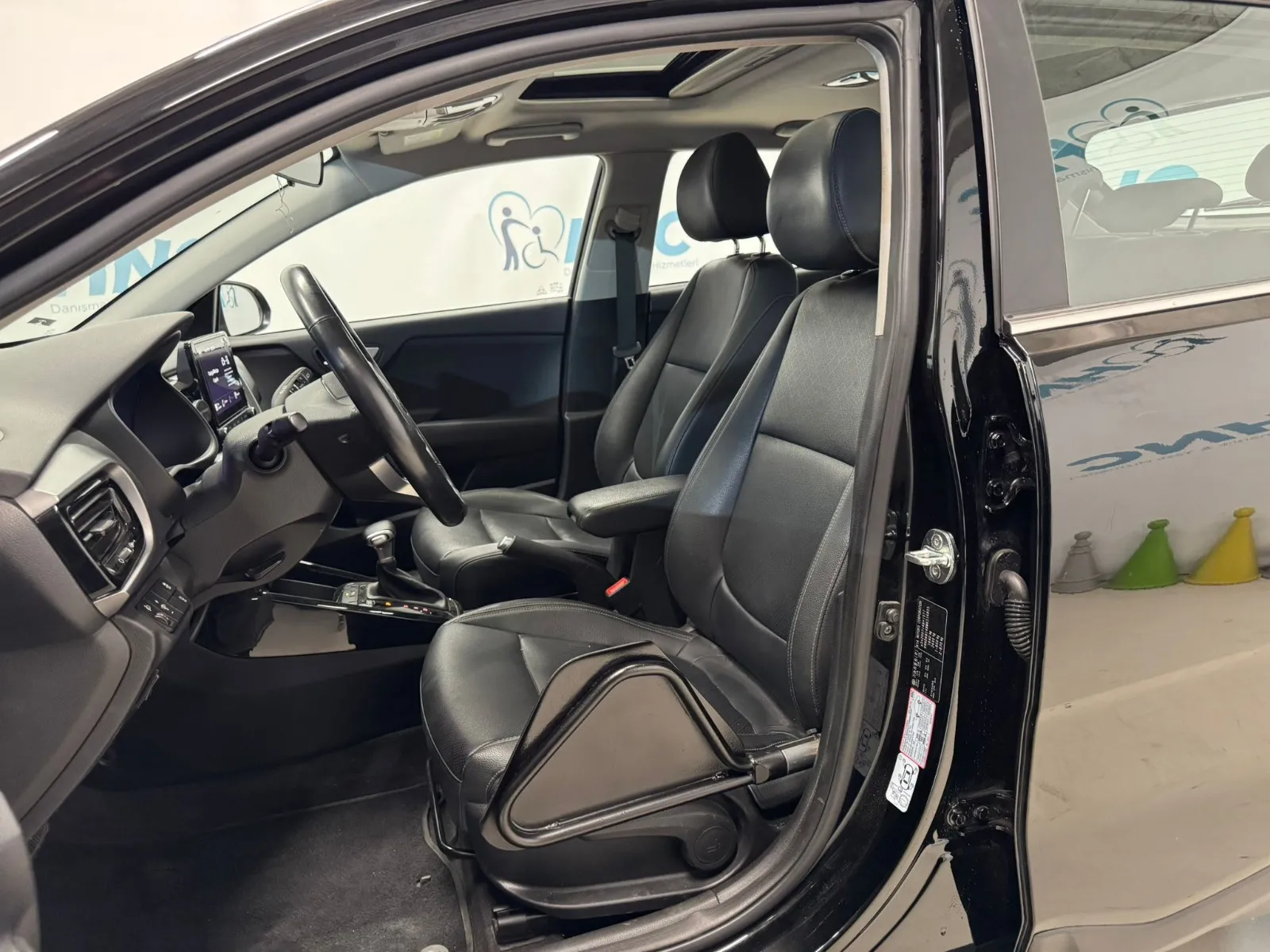
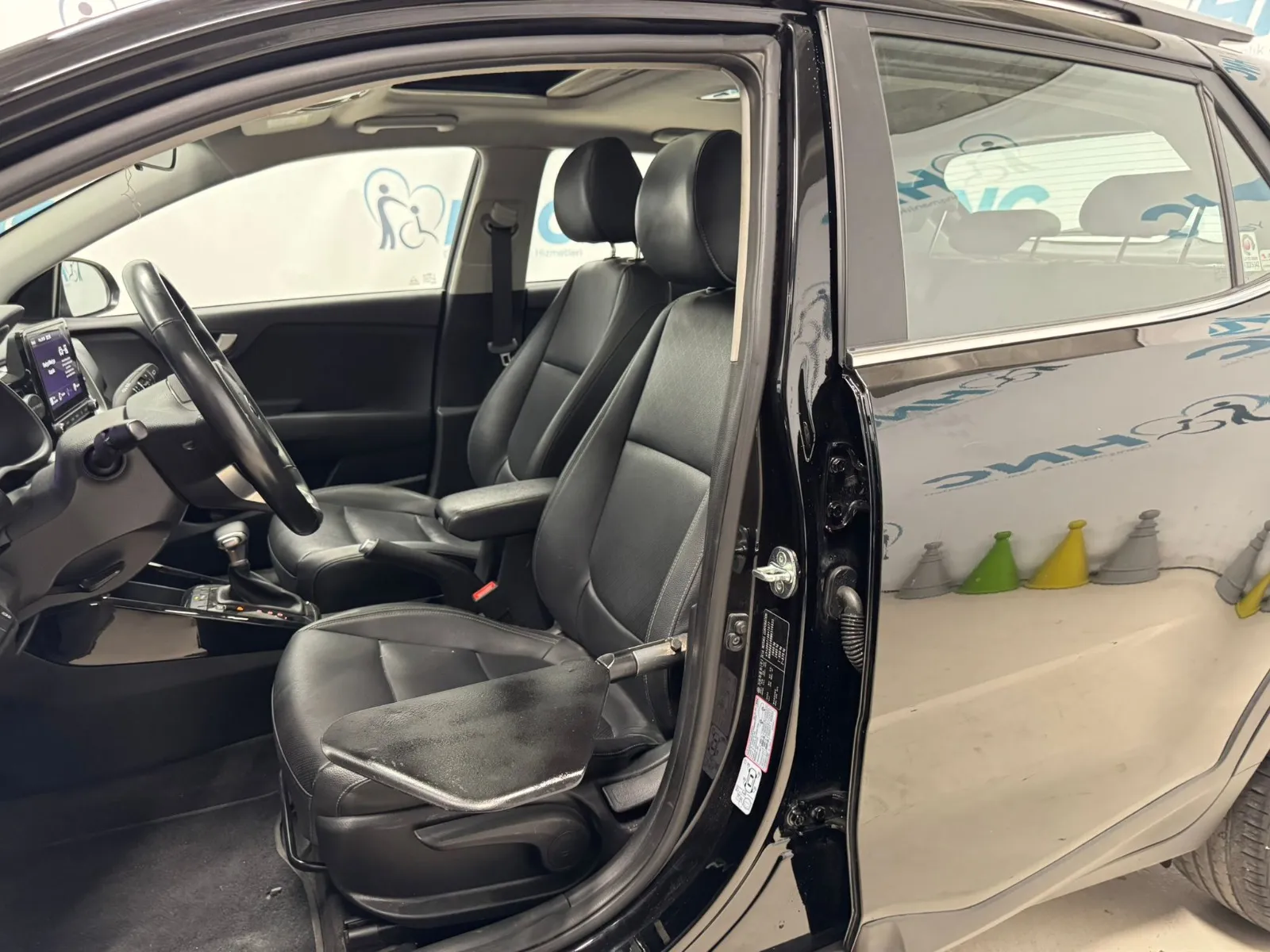
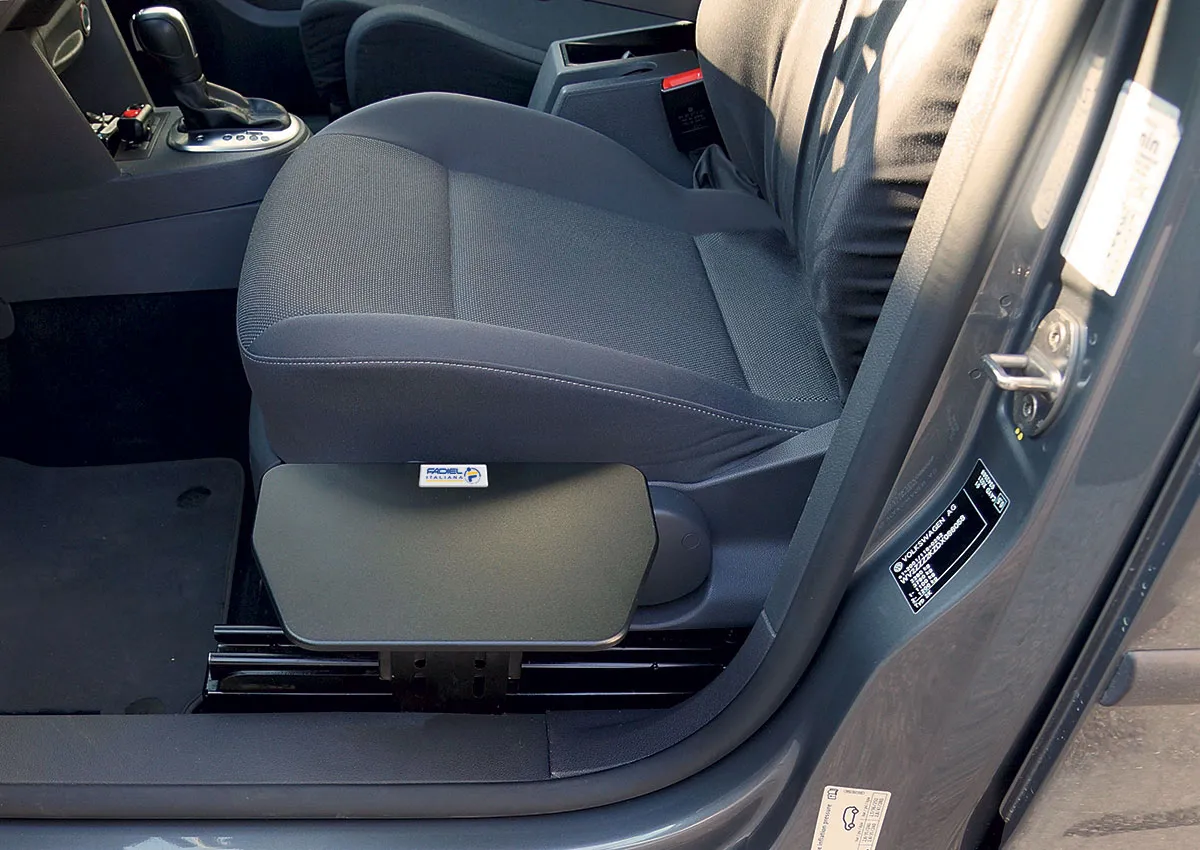
Transfer board folded away beside the car seat

02 · Share the car

Fold it away — or take it out completely.

When you are seated, flip the board up and out of the way. Prefer a clear cabin for other drivers? Remove the board and store it. Installation uses the car’s seat bolt holes — no permanent body cuts — so resale value stays intact and the board can move with you to a suitable next car.

03 · Driver or passenger

One side — or both, if you share the vehicle.

Boards fit left or right. Two units are possible when both driver and front passenger need the same support. Slim aluminium builds (partner RE-SEAT class) sit around 22 mm thick so the door can close with the device installed and stowed.

04 · Built to hold

Heavy enough for adults — light enough to live with.

Transfer-board systems in this class are typically rated around 140 kg capacity with a compact unit weight. The point is a platform you trust under load — then forget about when it is folded beside the seat.

Everyday details

Small hardware that changes how boarding feels.

Tip-up / fold-away

Flip flat to use; fold upright when driving so others are not blocked.

Fully removable

Lift the board off when you want the cabin completely clear.

Seat-bolt mount

Uses existing seat fixing points — no permanent vehicle alteration.

Aluminium finishes

Partner Fadiel RE-SEAT style: aluminium with epoxy finish that blends with interiors.

Low profile

~22 mm class thickness on aluminium benches — door closes with the device stowed.

Hold the door

When standing up, use the open door for extra leverage — the board lets you rise straight.

Vehicle height matters

Sedans love transfer boards. High SUVs may need something else.

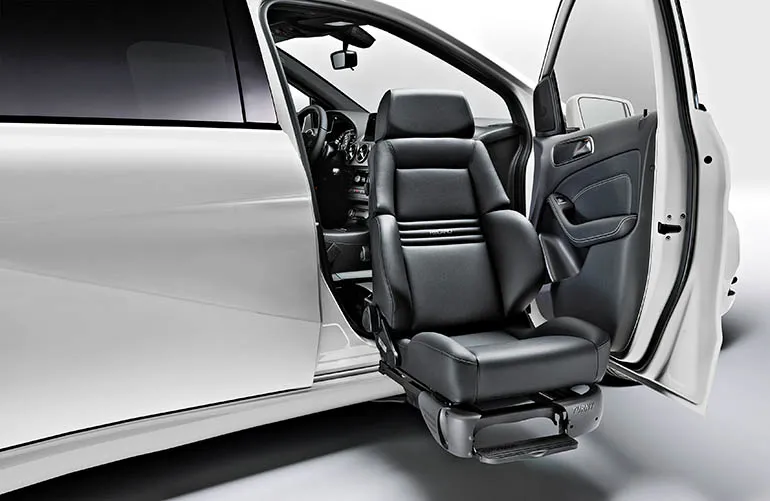
Most cars can take a board. What changes is how you use it. In a low sedan, the board is often ideal for wheelchair-to-seat transfers. In a tall SUV, the height gap to a wheelchair can be too large — a seat lift such as a Turny-style system may be safer. Standing users, though, sometimes prefer a higher seat: sitting and standing become less of a crouch.

Share your vehicle and how you board — Maya Mobility will say whether a transfer board, a swivel seat, or another path is the honest fit.

Transfer board application on a passenger car
Common on lower passenger cars; confirm SUV and MPV height before ordering.

In the cabin

Deployed when you need it. Invisible when you do not.

Deployed

Level with the cushion — ready to slide.

Stowed

Folded beside the seat — cabin stays usable.

Application

Driver or passenger — many everyday cars.

Typical transfer-board class

Compact. Removable. Serious capacity.

Capacity (class)
Up to ~140 kg
Unit weight (class)
~5 kg
Board thickness (alu)
~22 mm (RE-SEAT class)
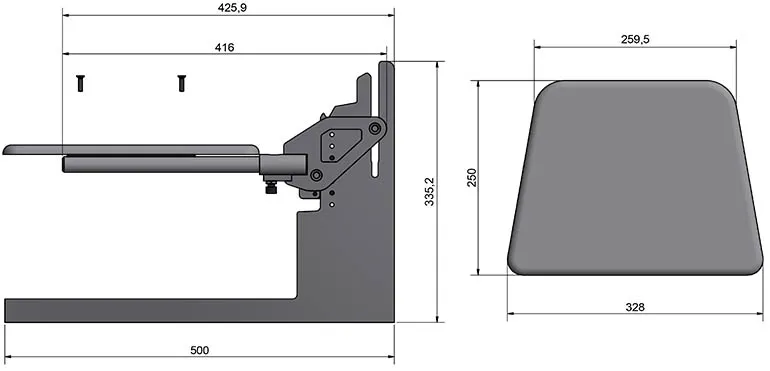
Board size (ref.)
~250 × 260–328 mm
Mount
Seat bolt holes · no permanent body cut
Sides
Driver · passenger · both
Stow
Fold up · or fully remove
Finish
Black structured / aluminium epoxy

Good to know

Wheelchair ↔ seat transfers
Standing sit / stand assist
Sedans & lower cars preferred
SUV? Ask — may need Turny
Does not replace seatbelt use
Confirm fit with Maya Mobility
Transfer board dimensions reference diagram
Reference geometry for planning clearance around seat and door.

FAQ

Questions people ask before the first transfer.

No. Anyone who struggles to sit into or stand out of a car can use it — sit on the board first, then move into the seat; stand up straight using the door for support if needed.
Installation typically uses the same bolt holes as the seat. No permanent body alteration means you can remove it later and, where the next car is suitable, take the board with you.
Yes. Fold the board away when you drive, or remove it entirely so the cabin feels normal for shared use.
For wheelchair transfers, a high seat often means too much height difference — a powered swivel-lift seat may be better. For standing entry, a higher board position can actually help. Send photos and we will advise.
Either side — or both if two people need the same aid. Tell us who boards where and we will specify left/right hardware.

Not sure if a board is enough — or you need a swivel seat?

Tell us your vehicle, who is transferring, and whether they stay in a wheelchair or transfer to the OEM seat. A Maya Mobility specialist will confirm transfer board fit or point you to Turny-style seating when height demands it.

Write to us

Write to us