
Access · Electric side step

Side steps

The climb most vans hide in plain sight. An electric cassette step drops out when the door opens — cutting knee and hip strain for passengers who walk, transfer, or work the vehicle all day.

What most people never realise

You do not always need a wheelchair ramp — sometimes you need one honest intermediate step.

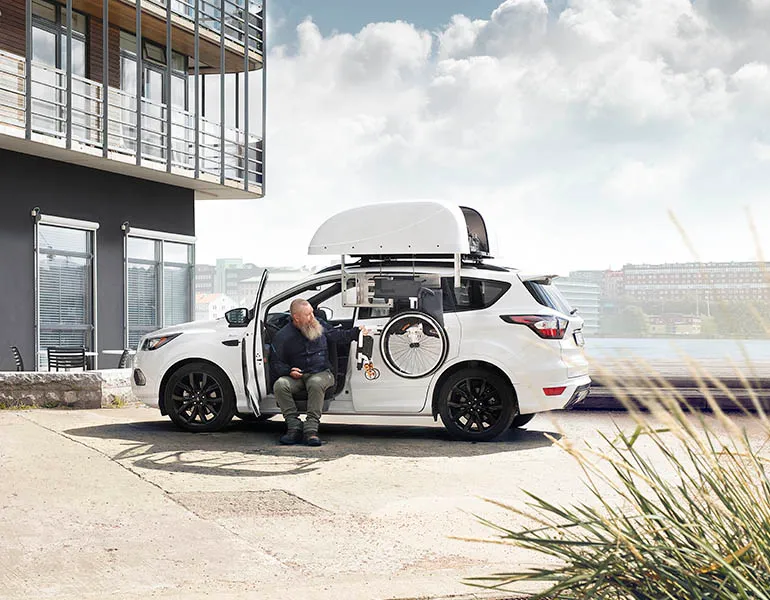
Modern vans, ambulances and SUVs sit high. People who can walk still struggle: older passengers, carers after a swivel-seat transfer, paramedics with kit in their hands, children, anyone with a stiff hip or weak knee. Families often jump straight to “we need a full WAV” — or they just live with the awkward climb.

A retractable electric side step is the middle solution: lower the first step, keep the cabin floor as it is, and park the tread back under the vehicle when you drive. Maya Mobility’s enclosed cassette design is built for weather, mud and daily commercial use — the conditions that kill open underfloor steps.

Know the difference

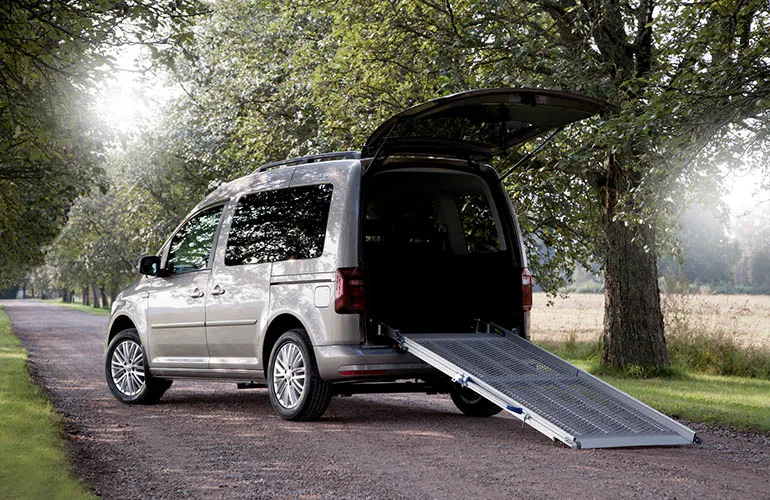
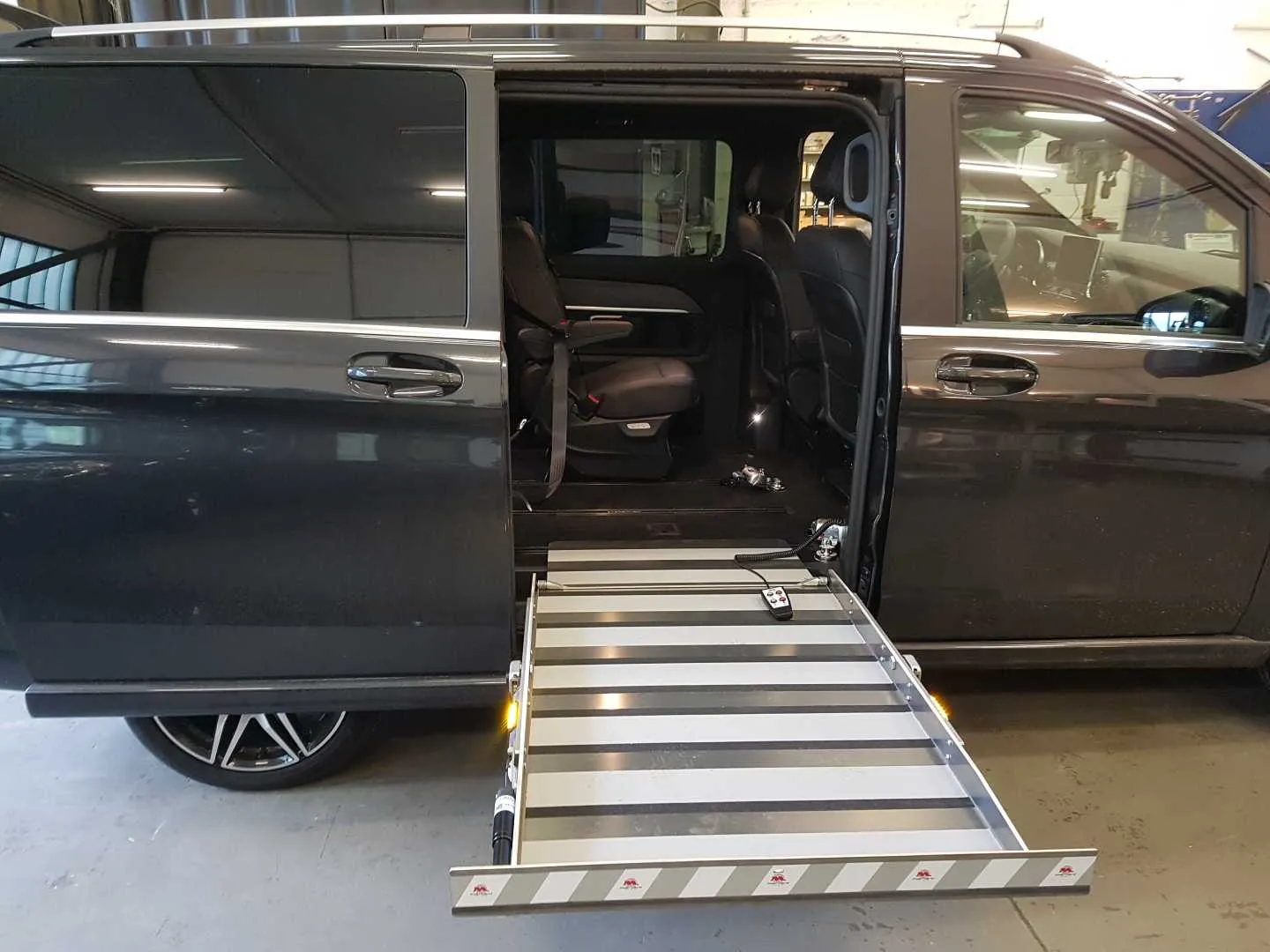
Side step ≠ side-entry wheelchair ramp.

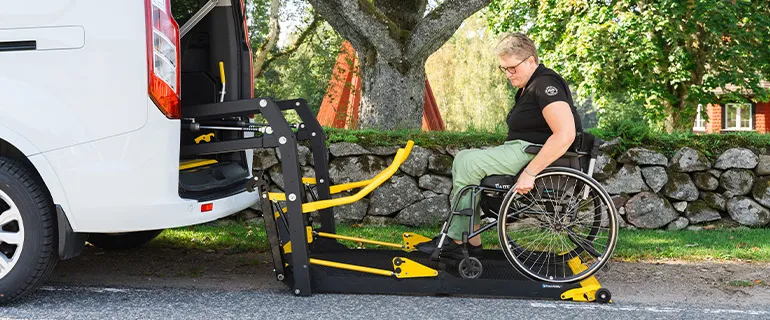
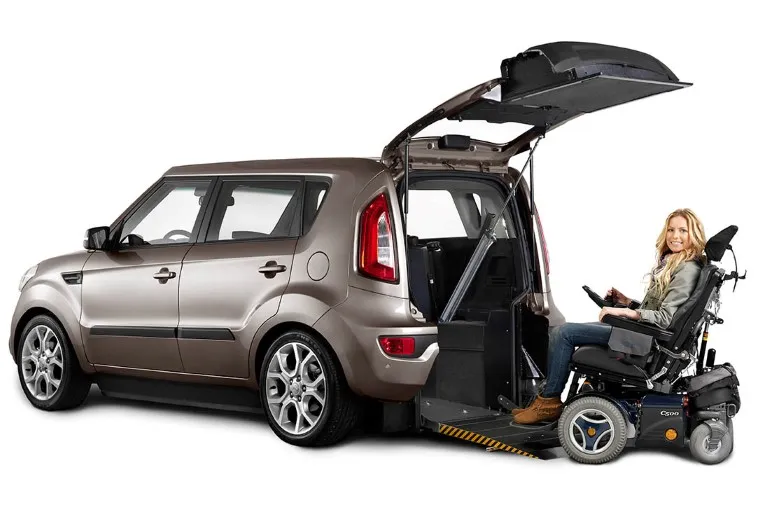
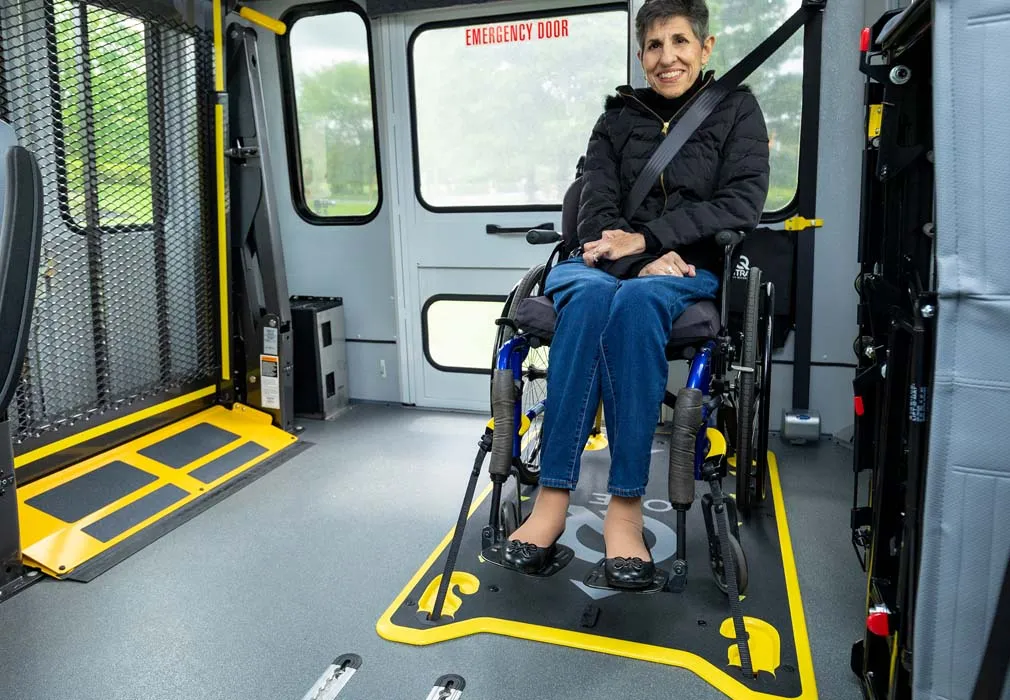
Brands such as BraunAbility and Paravan often mean a fold-out or in-floor ramp when they say “side entry” — a path for a wheelchair into a lowered-floor vehicle. That is a different product family.

Maya Mobility’s side step is an intermediate tread for people who still step in (or transfer from a swivel seat). Think Mariani ESI, Fadiel automatic step, Stedall cassette steps: door-linked or switch-operated, cassette housing, anti-crush logic. If the user stays in a wheelchair for boarding, ask us about ramps, lowered floors or side-door lifts instead.

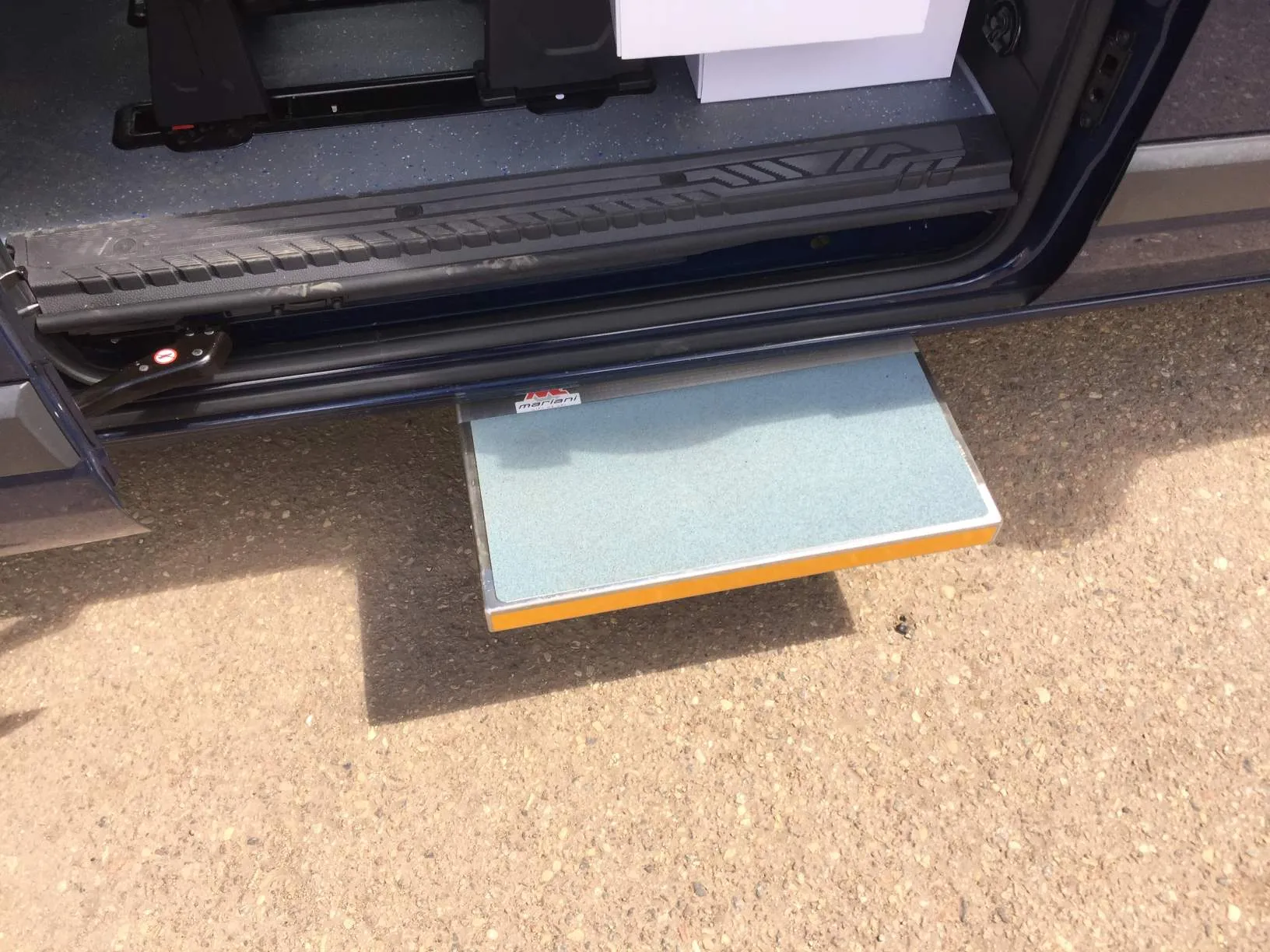
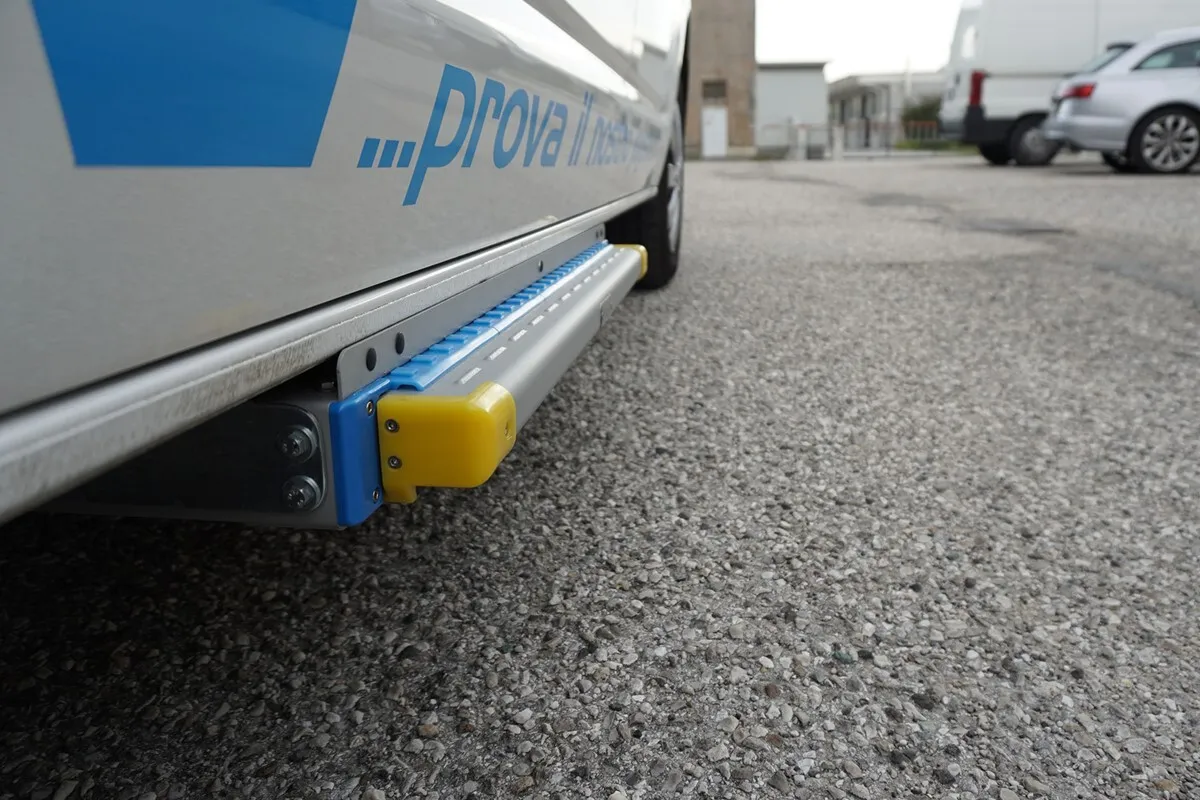
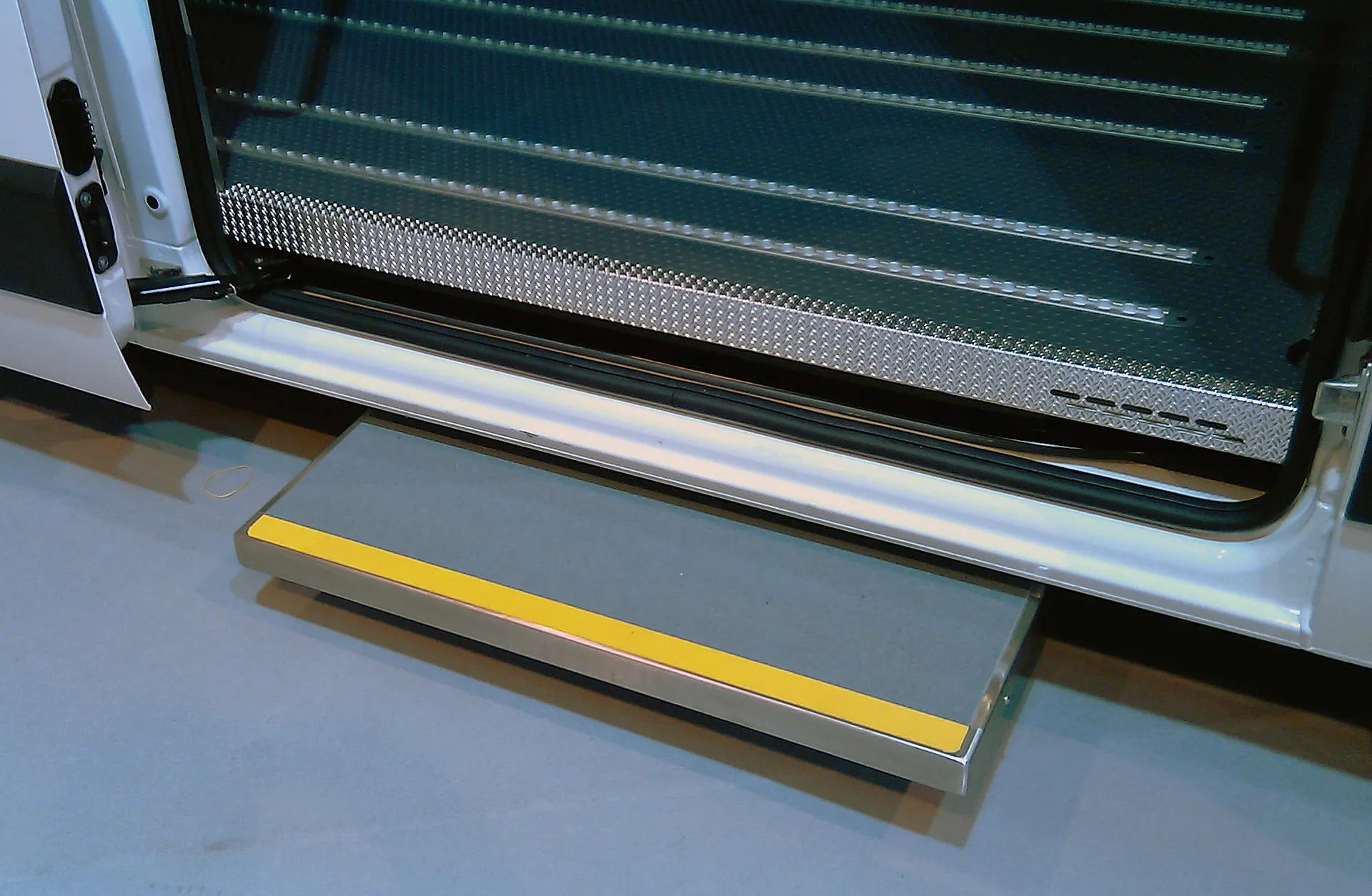
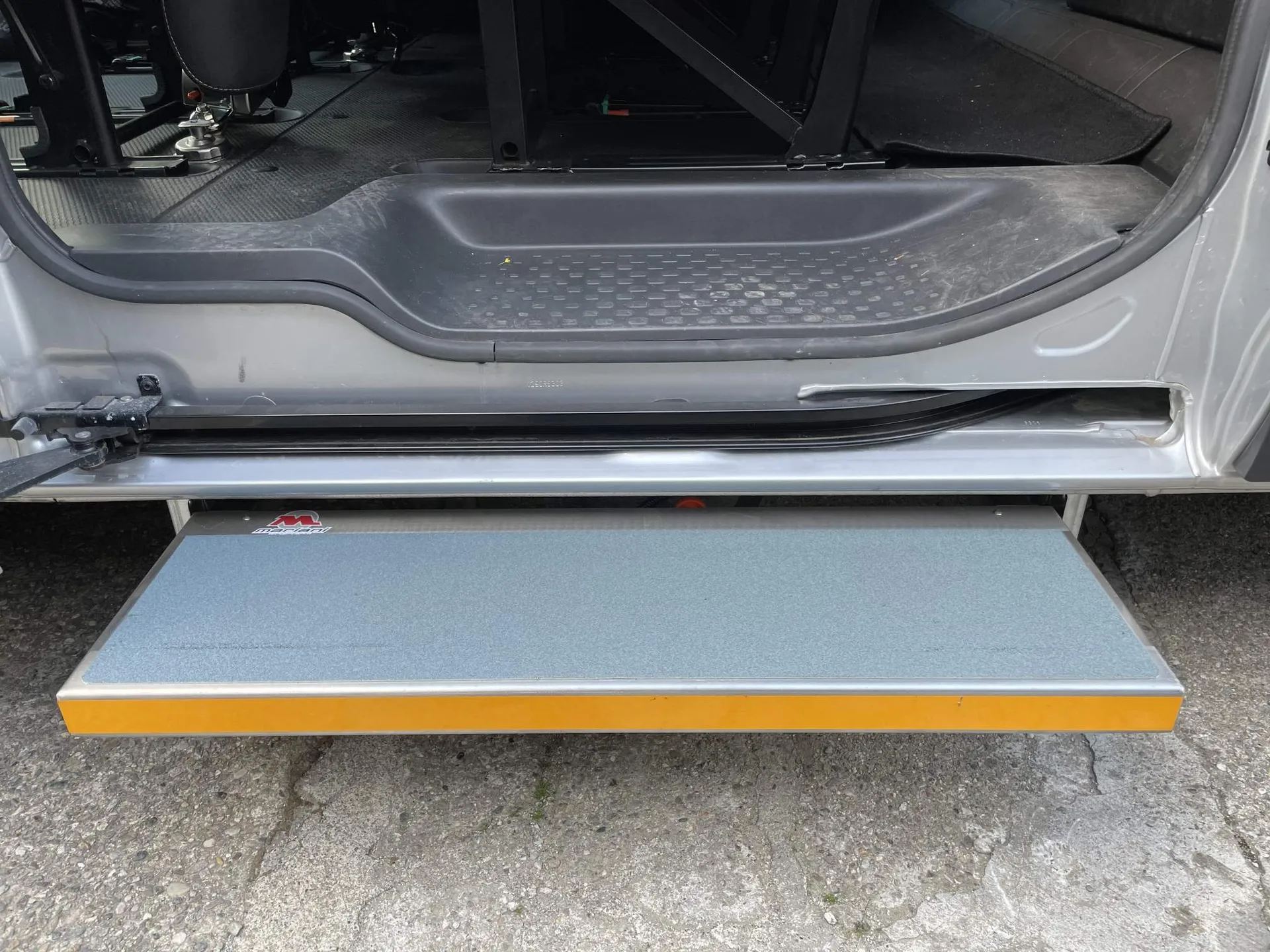
Electric cassette side step with yellow edge at an open van door
Cassette-style electric step at a van side door — intermediate height, not a wheelchair ramp path.

01 · Enclosed cassette

Underfloor steps fail where weather wins.

Typical electric steps live under the floor — water, ice, mud and dust grind them down. Maya Mobility’s design puts the tread and the moving mechanics inside an external housing, so performance lasts longer in ambulance and fleet use.
02 · Friction clutch

Exit force is set — and you can push it back by hand.

A mechanical clutch between motor and gears defines the extension force (and protects the user). If power fails, you can push the step in with roughly that same force — the vehicle stays usable. Blocked by an obstacle? The control unit cuts motor power; the clutch lets the motor freewheel instead of burning out.

03 · Perforated tread

Grip that sheds mud instead of trapping it.

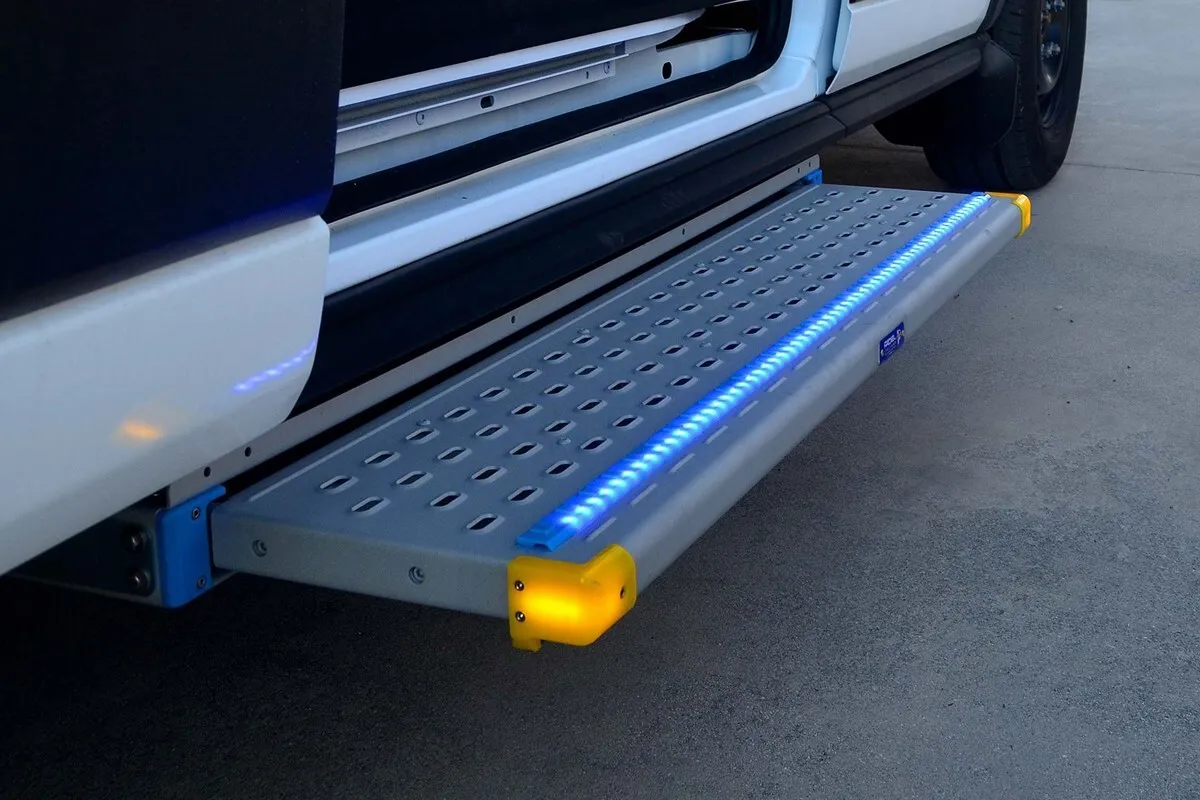
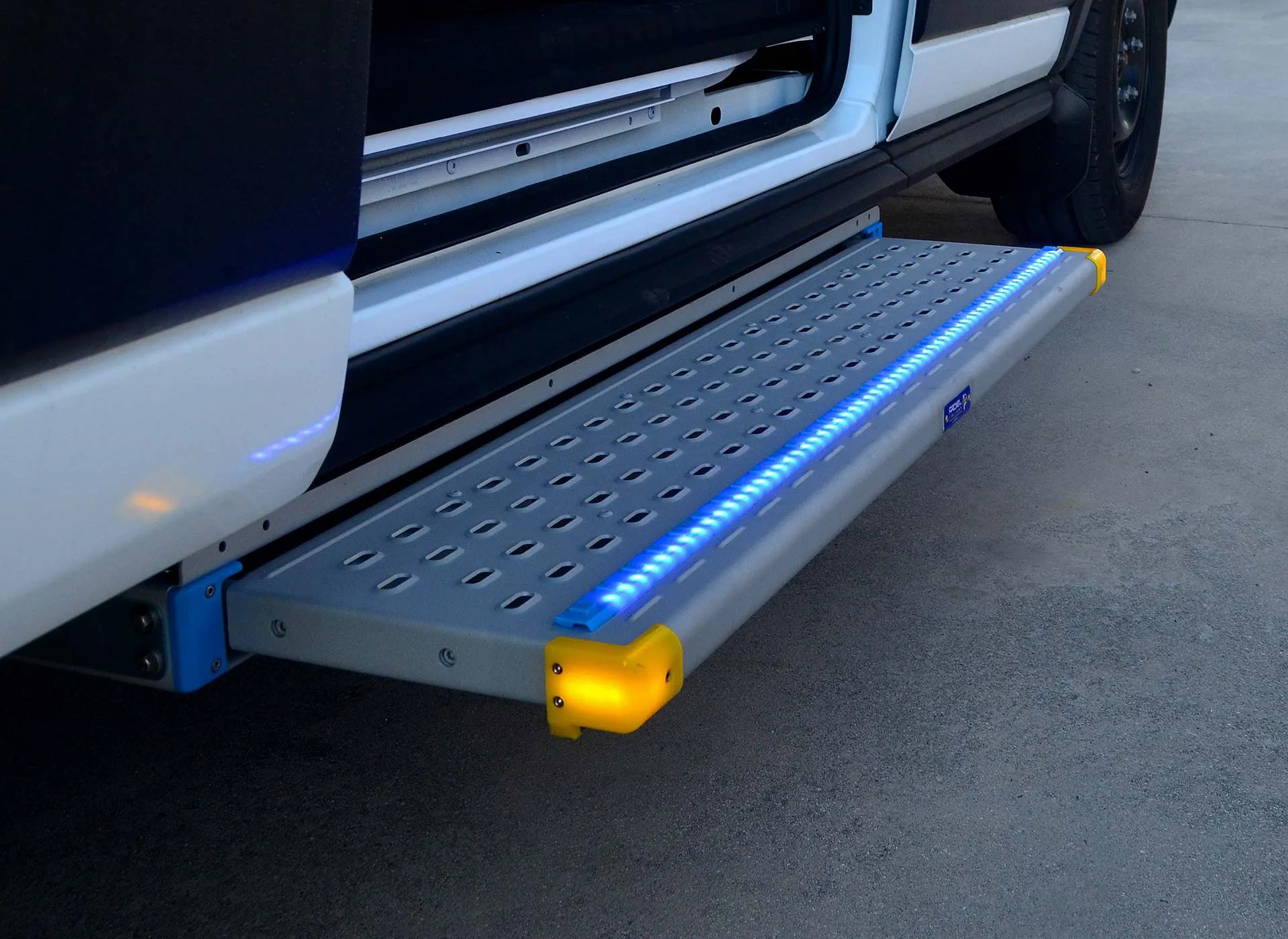
Punched anti-slip surface drains dirt and residue — critical on ambulances and high-traffic vans. Nylon inserts add grip in extreme wet. Reinforced aluminium edges and a 2.5 mm step shell resist twist under load.

04 · Seen in the dark

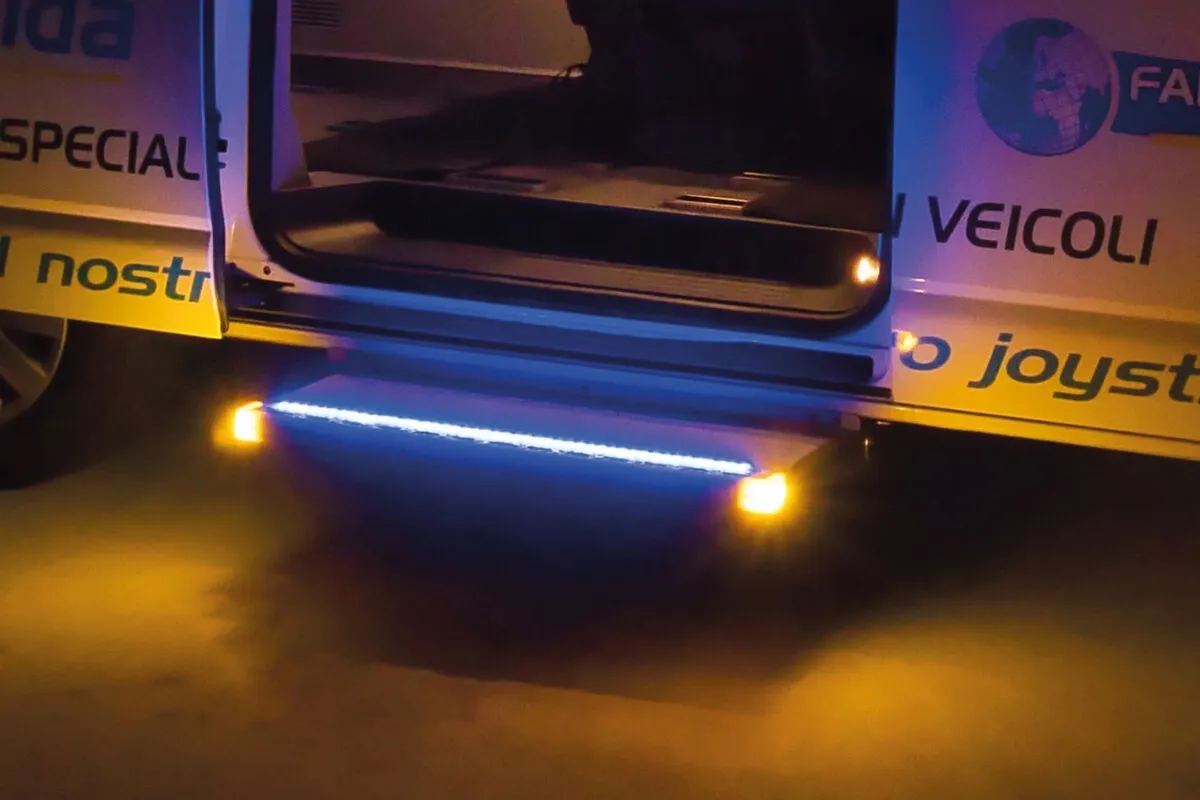
Yellow end caps with LED backlighting.

Nylon tip guards make the outer corners obvious by day; LEDs light them from behind at night so the edge does not disappear against wet asphalt. Optional blue edge lighting (partner configurations) adds another visual cue at the door.

Built for dirt, then for people

Details that keep a cassette step working for years.

Cam + rubber seals

On close, a cam lifts the tread so dirt cannot ride the slide gaps; rubber seals seat between step and housing for a tighter weather seal.

Self-lubricating pads

Polyamide slide shoes on the guides keep motion smooth without constant greasing.

Motor up high

Motor, microswitches and drive parts sit in the upper screened zone of the housing — away from splash and road spray.

Drain holes

Lower traverse drain ports evacuate any water that still finds its way in.

Watertight electrics

External sealed connectors and a rubber grommet where the cable leaves the housing.

Smart motor control

Dedicated ECU protects the motor across use cases and cuts power if the tread is blocked during open or close.

Who it helps

Anyone who still climbs — but should not climb that high.

Families & carers

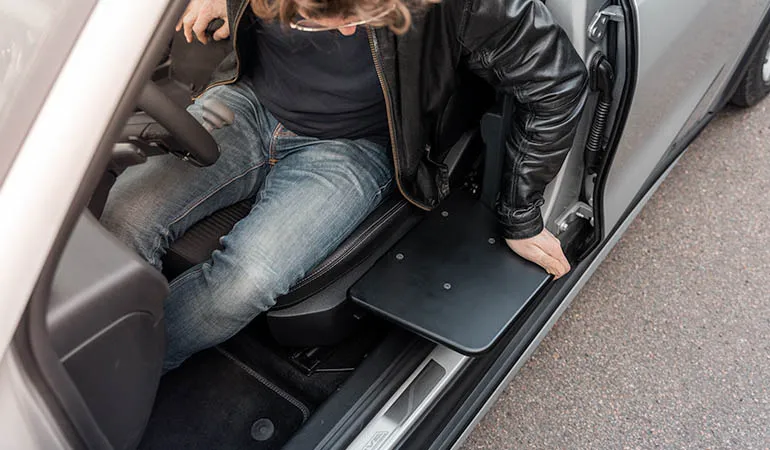
After a swivel seat transfer, the last climb is still a climb.

Fleet & ambulance

Door-linked cassette steps for crews who board dozens of times a day.

Elderly & reduced mobility

One intermediate tread can mean boarding without a helper’s lift.

Maya Mobility electric side step

One depth. Four widths.

Overall thickness
6.7 cm
Widths
45 · 60 · 80 · 110 cm
Depth
35 cm
Tread surface
28 cm
Housing
Galvanised sheet · optional stainless
Frame & tread
Aluminium · powder coated
Drive
Electric motor · friction clutch
Visibility
Yellow nylon ends · LED backlight

Good to know

Vans · ambulances · TPMR
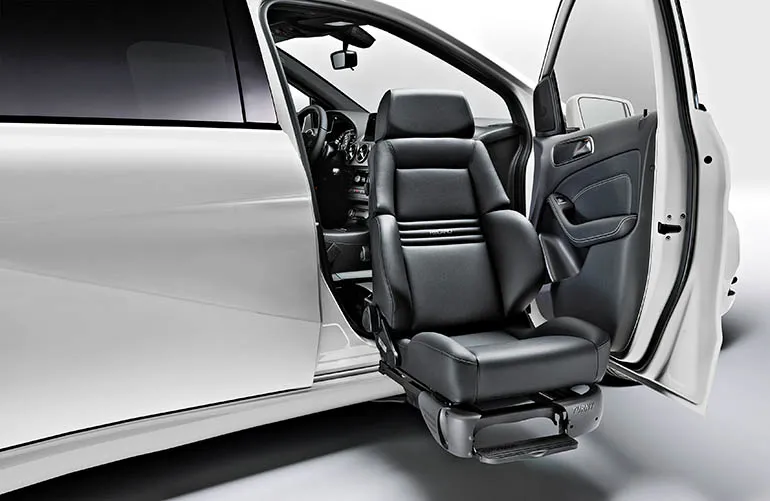
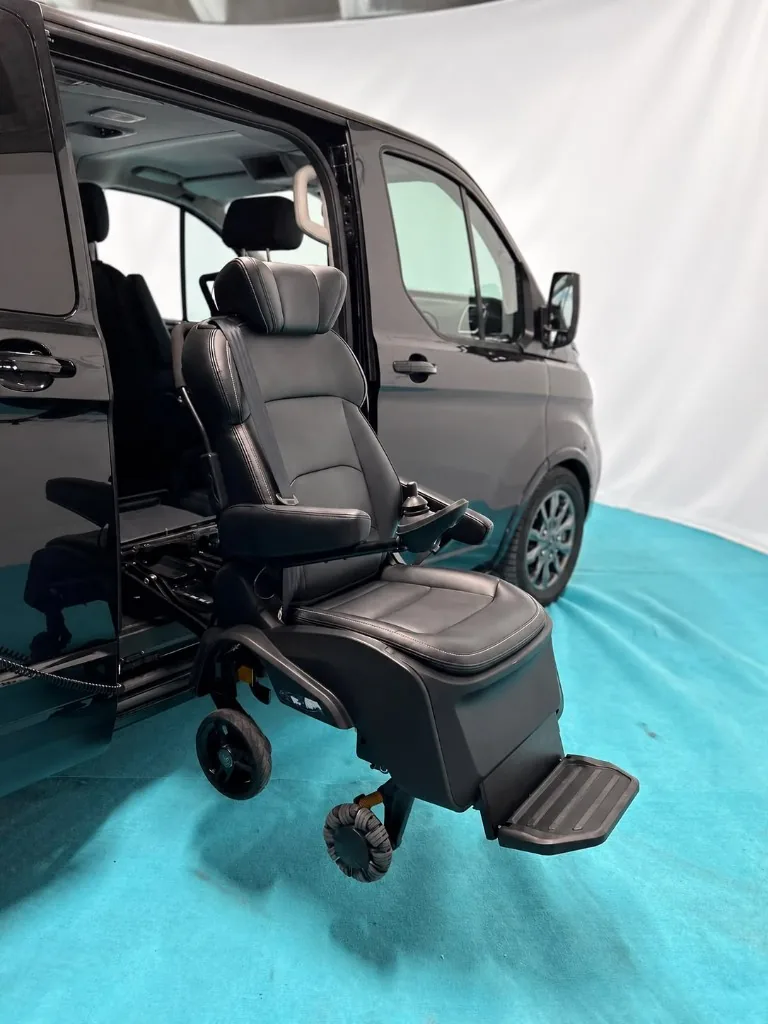
Pairs with swivel / Turny seats
Not a wheelchair boarding ramp
Manual push-in if power fails
Obstacle cut-out via ECU
Confirm fit with Maya Mobility
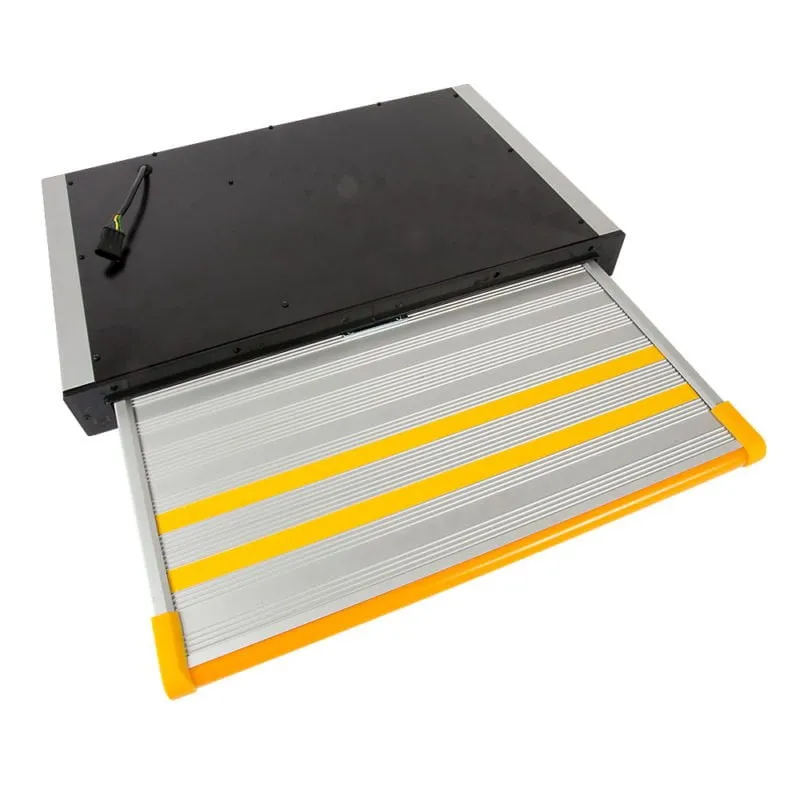
Electric automatic step with perforated tread and illuminated yellow corner
Partner-class automatic step: perforated tread, LED edge cues, cassette under the sill.

FAQ

Questions people ask once they see the gap.

No. A side step helps people who still step or transfer into the cabin. Wheelchair boarding usually needs a ramp, lowered floor or lift. We will point you to the right path after a short needs check.
That is why the enclosed housing, cam seal, drain holes and upper-mounted motor exist — open underfloor steps are the ones that seize after seasons of spray and grit.
The friction clutch lets you push the step back in by hand with a force similar to the set extension force — so the vehicle is not stuck with a step hanging out.
Choose 45, 60, 80 or 110 cm to match door opening and sill. Depth and tread are standardised (35 cm / 28 cm) so one geometry covers most applications. Share your vehicle and door photos for confirmation.
Door-switch and dash-indicator setups are common in this product class (including ambulance / TPMR fleets). Tell us how you want it to behave — automatic with the door, or on a dedicated control.

Not sure if you need a step, a ramp, or a lift?

Tell us who is boarding, whether they walk or stay in a wheelchair, and your vehicle. A Maya Mobility specialist will map the right access solution — including electric side steps where that is the missing piece.

Write to us

Write to us