01 · Dual independent retractors
Two lines — real steering.
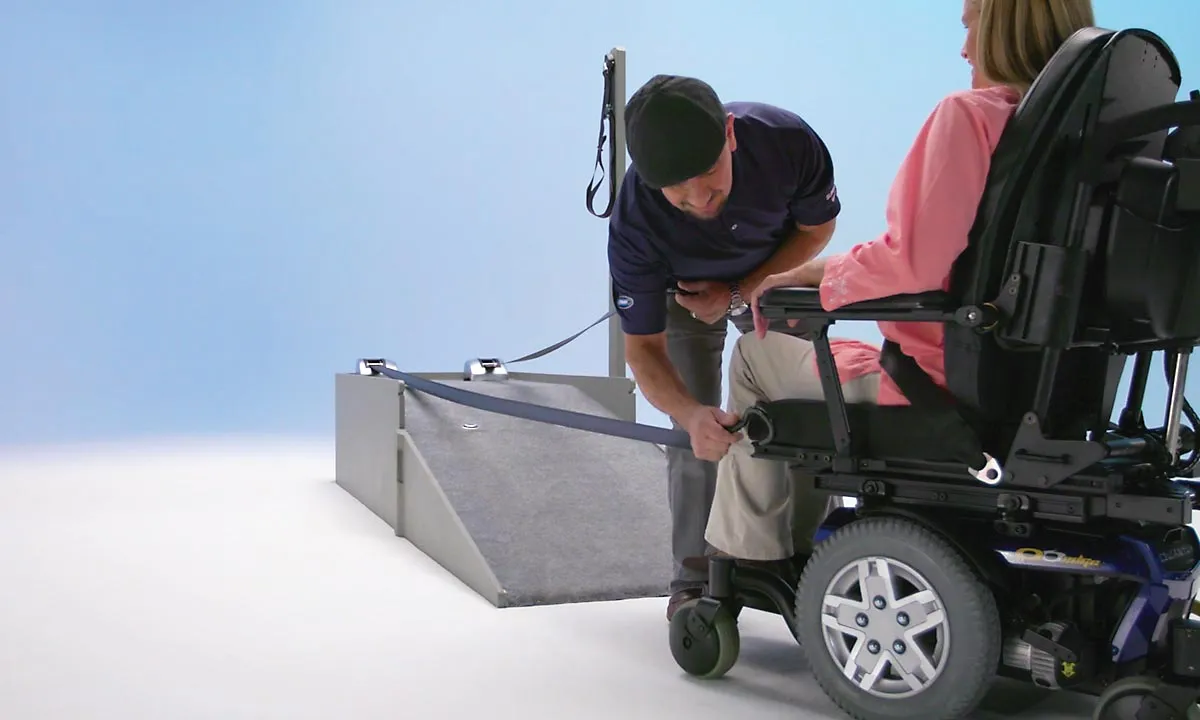
Independently controlled retractors let the operator correct drift on the ramp instead of muscling the frame. Better angles, less footrest interference, more space for larger chairs.
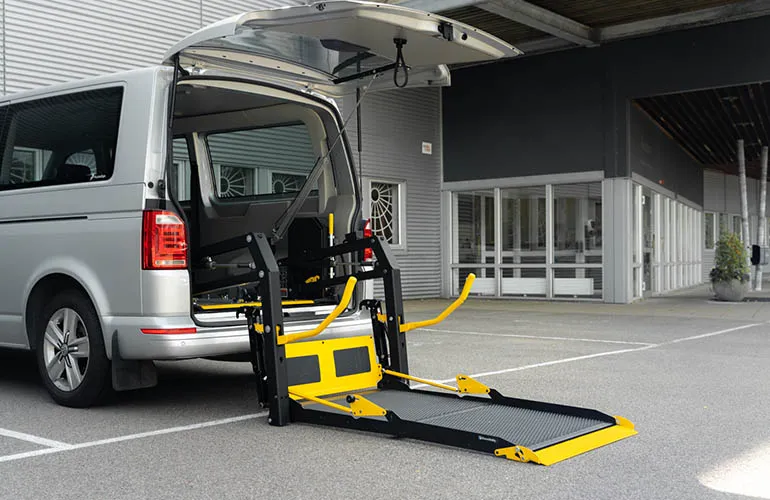
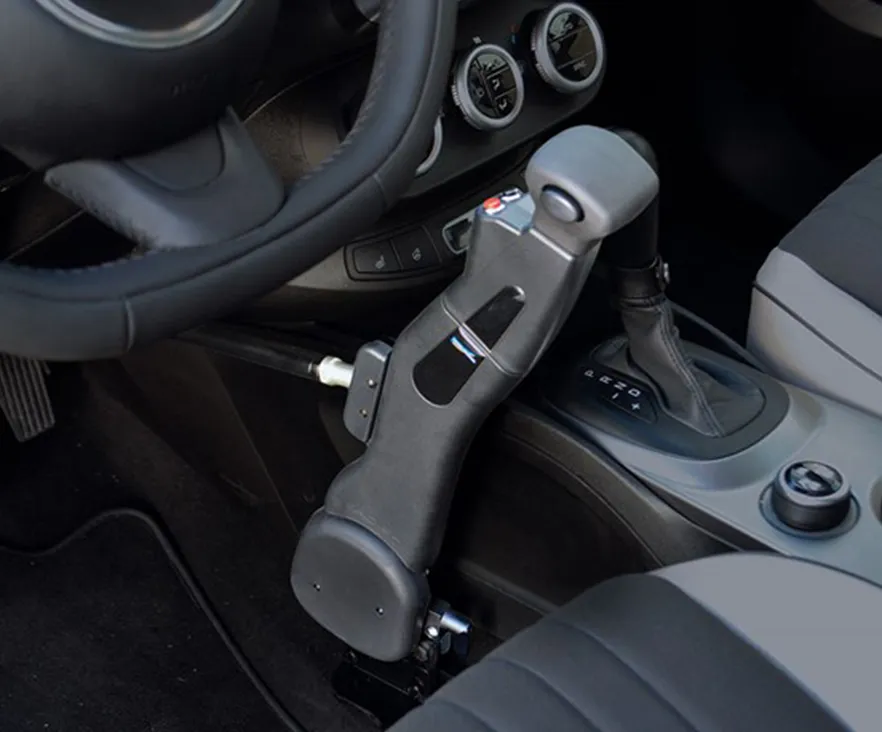
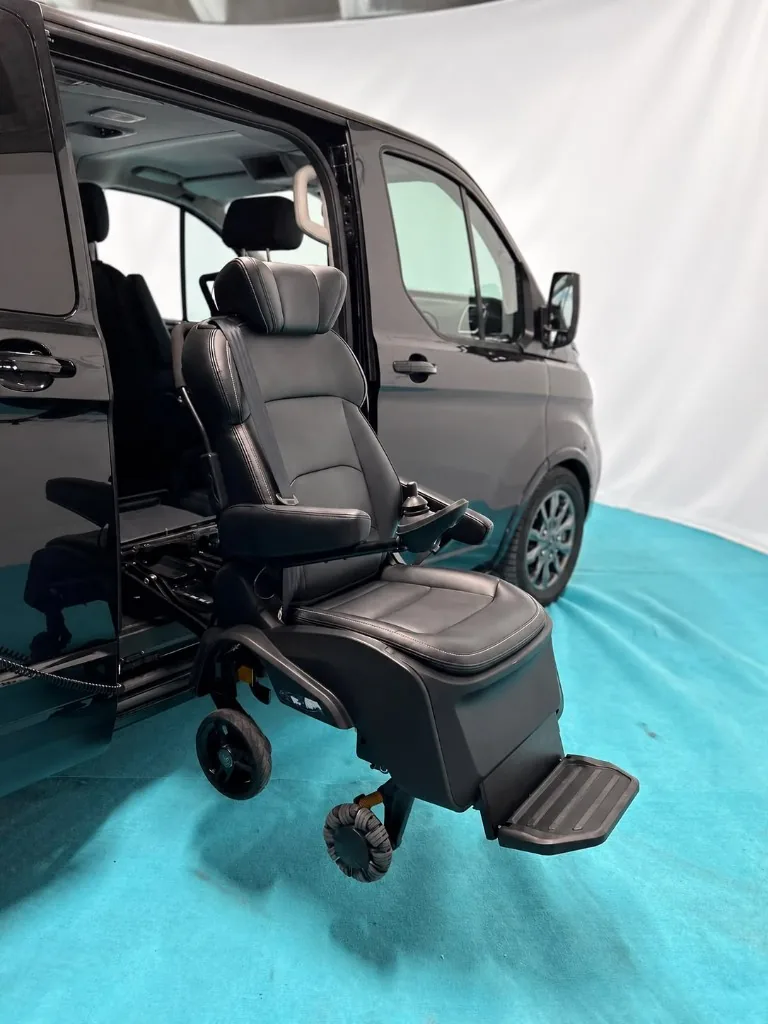
Seat systems, vehicle lifts, home stairlifts, drive controls, ramps, and more — mobility solutions that make everyday life accessible.
See all products →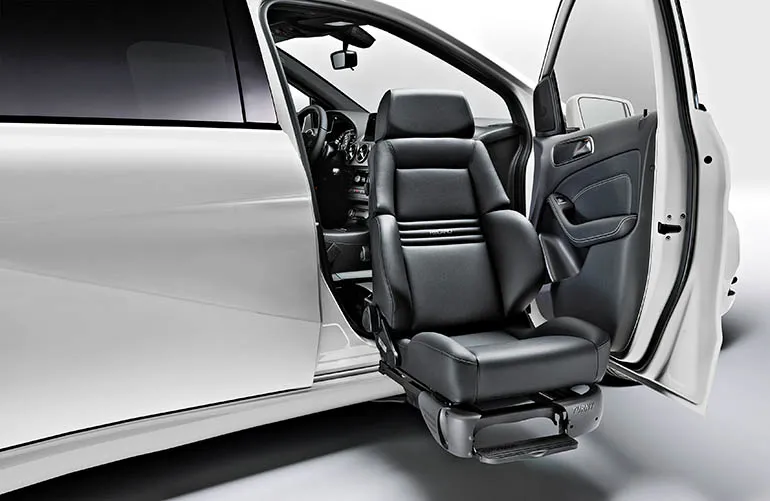
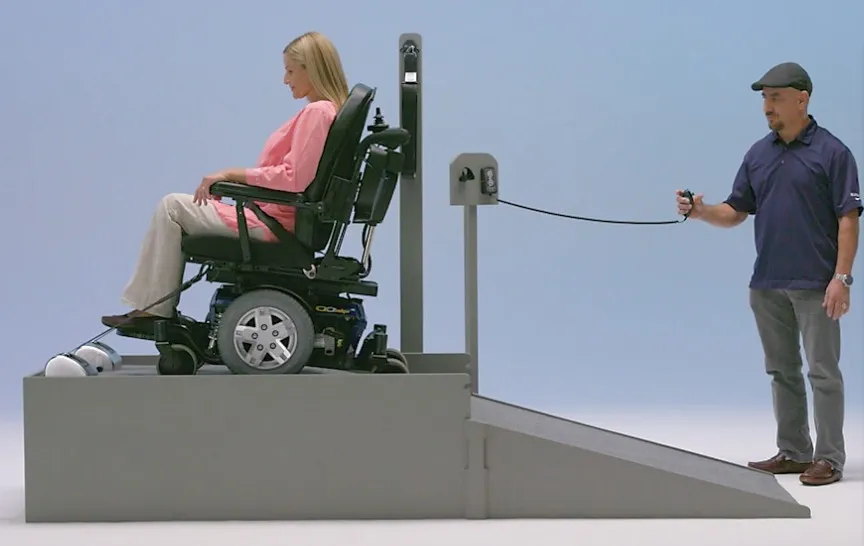
Boarding + securement · Maya Inqline
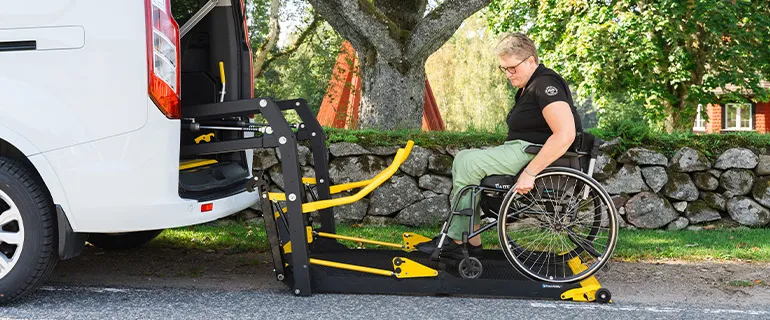
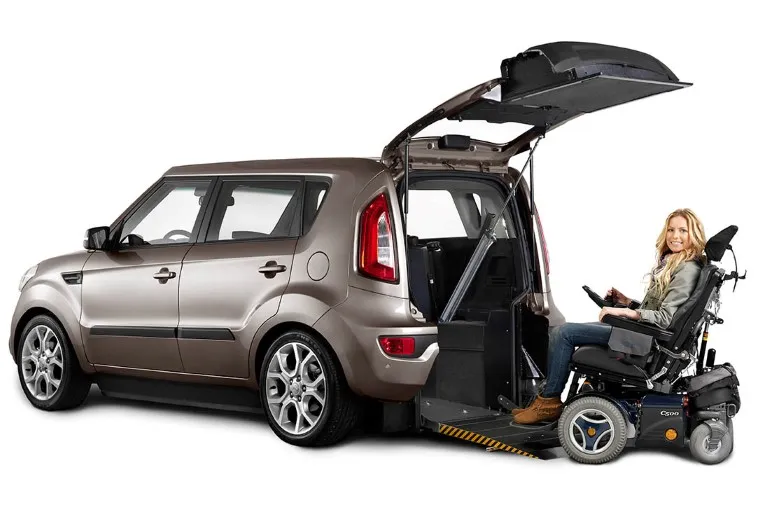
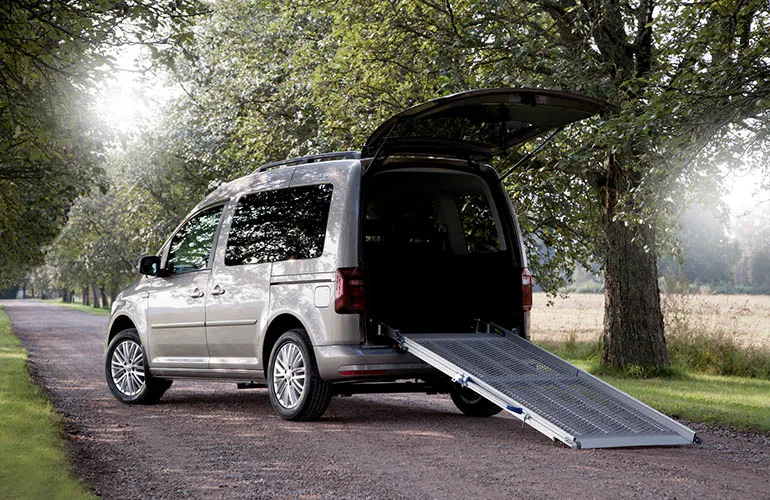
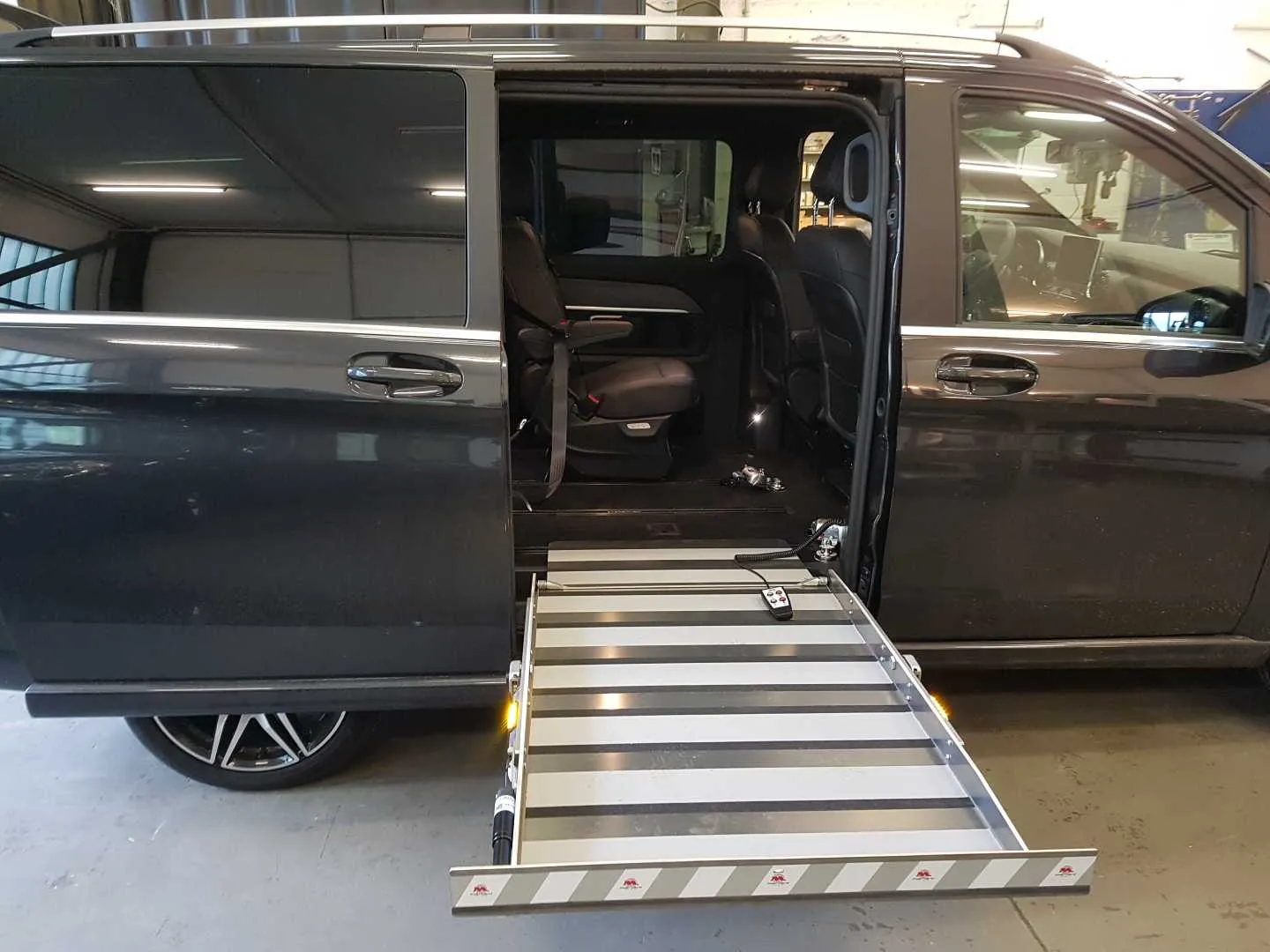
When the ramp is the fight — not the paperwork. Dual retractors and thumb control so the operator steers the wheelchair in, instead of shoving, snagging or taking a running start.
What most people never realise
Families and drivers often describe the same day: kerb is wrong, van is tilted, power chair is heavy, and the “solution” becomes a push that nobody wants to admit. Winches without steering still leave you wrestling the chair sideways. Belts alone do not solve boarding.
Maya Inqline is for that gap — controlled pull and steer up a rear (or side) ramp, with retractors that also support securement once inside. If your chairs already roll in easily and the pain is only inconsistent floor straps, look at Maya One or classic rails instead.
How a typical boarding goes
Uneven parking and unbalanced chairs are normal — not edge cases. INQLINE is built so the operator keeps command instead of hoping momentum does the work.
01 · Dual independent retractors
Independently controlled retractors let the operator correct drift on the ramp instead of muscling the frame. Better angles, less footrest interference, more space for larger chairs.
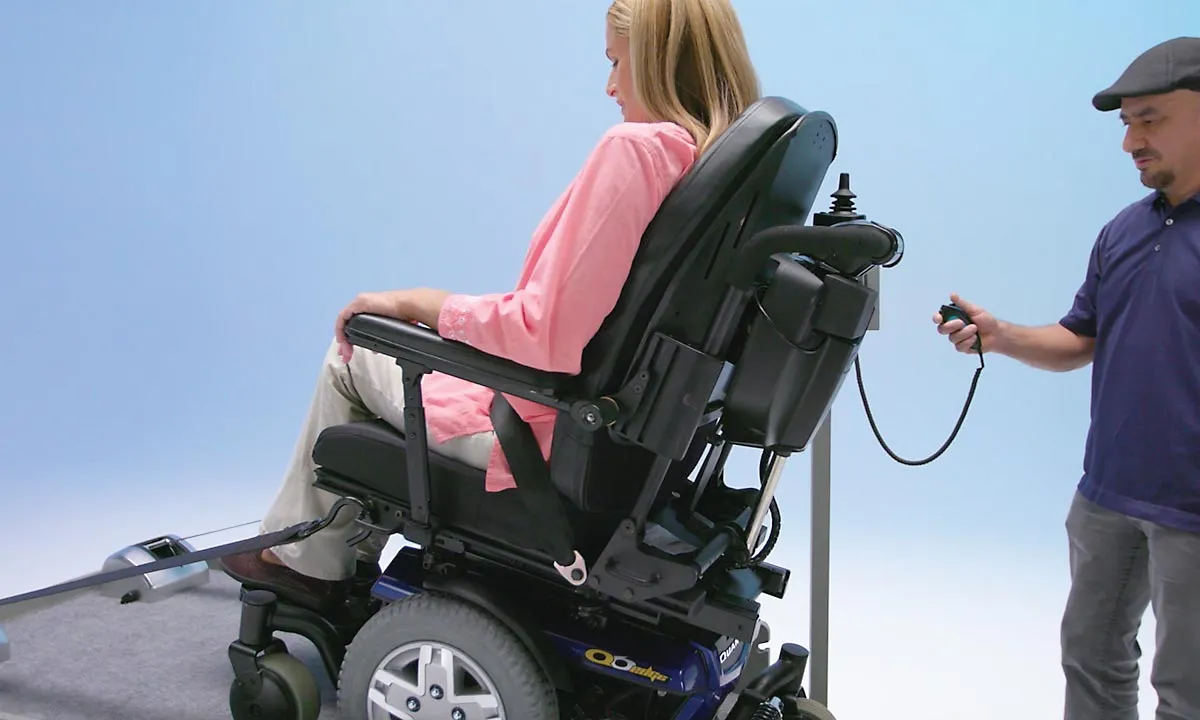
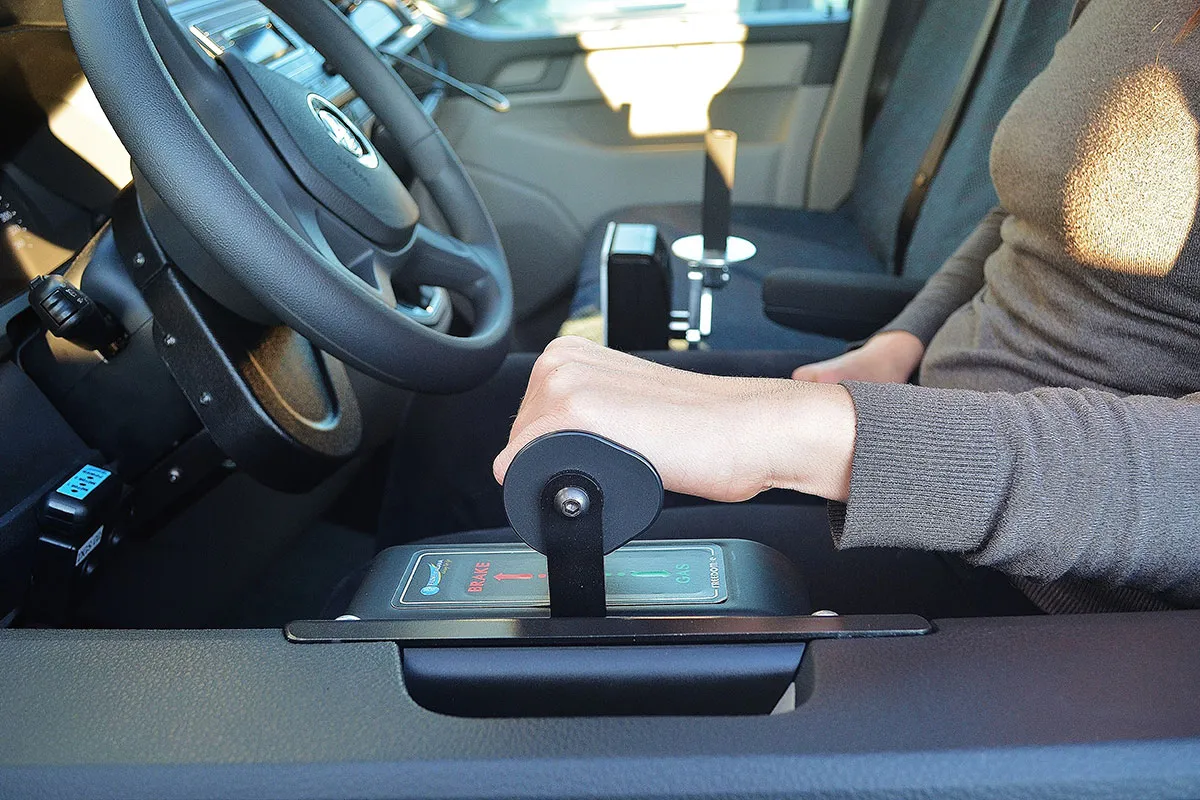
02 · Thumb controller
An ergonomic controller keeps boarding deliberate: up, down, left, right — without a “running start” that scares everyone on the kerb.
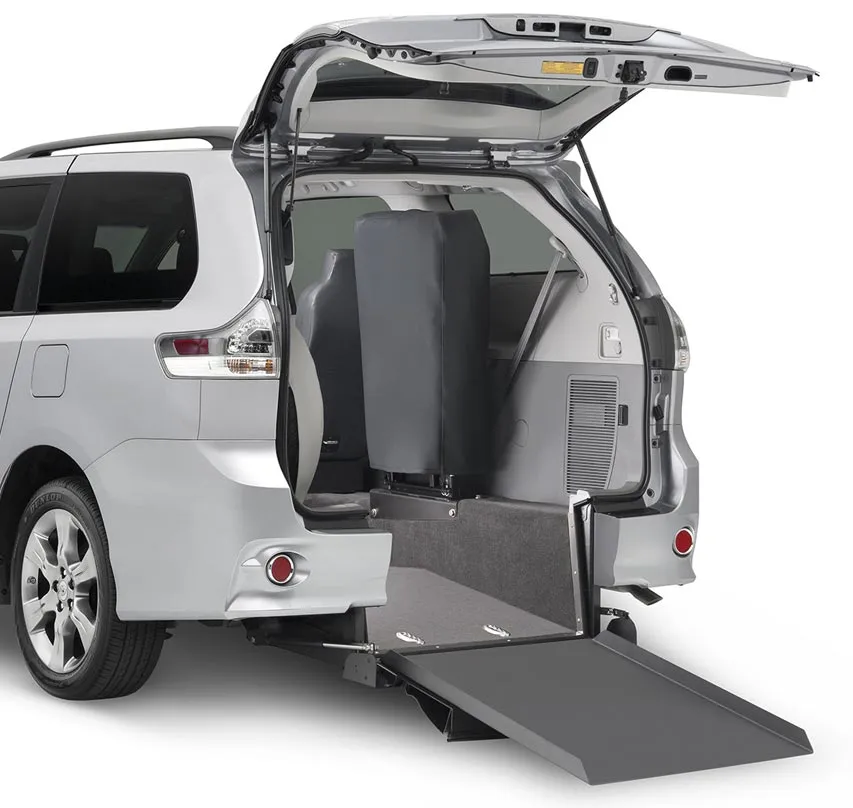
03 · Less strain · less liability
Fleet injuries often start at boarding, not at the highway. Controlled assist reduces shoving and the awkward pulls that create claims — and passengers feel less like cargo.
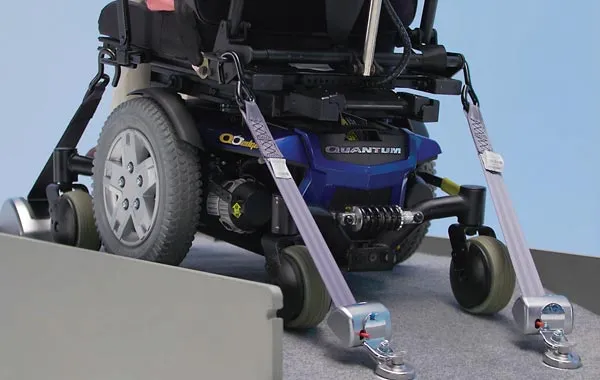
04 · Securement angles that stick
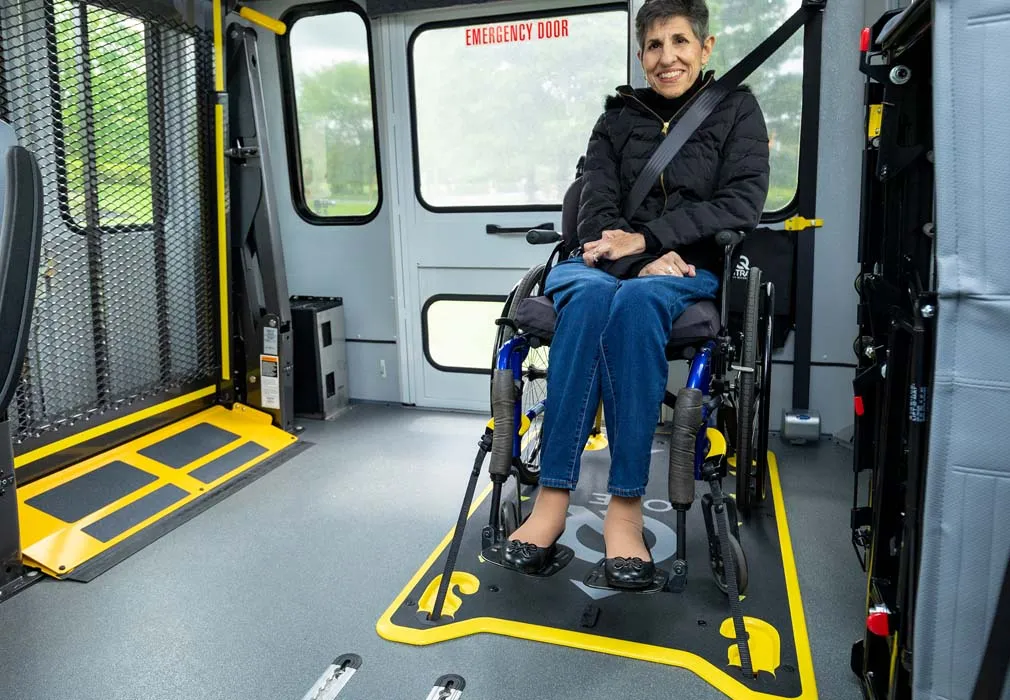
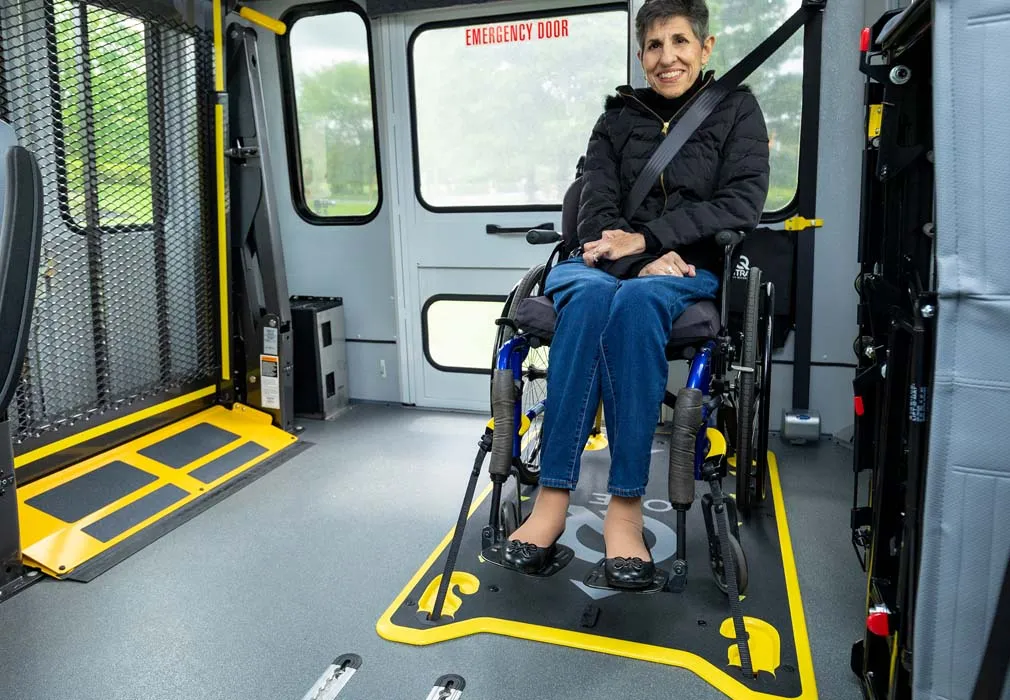
Systems that integrate front tie-downs into the boarding retractors cut a clumsy step and keep webbing at safer angles once the chair is parked — fewer swaying rides after a rushed load.
Boarding in frames
Step 1 · Attach Hooks to the wheelchair frame before the pull.
Step 2 · Steer Controlled boarding instead of a shove.
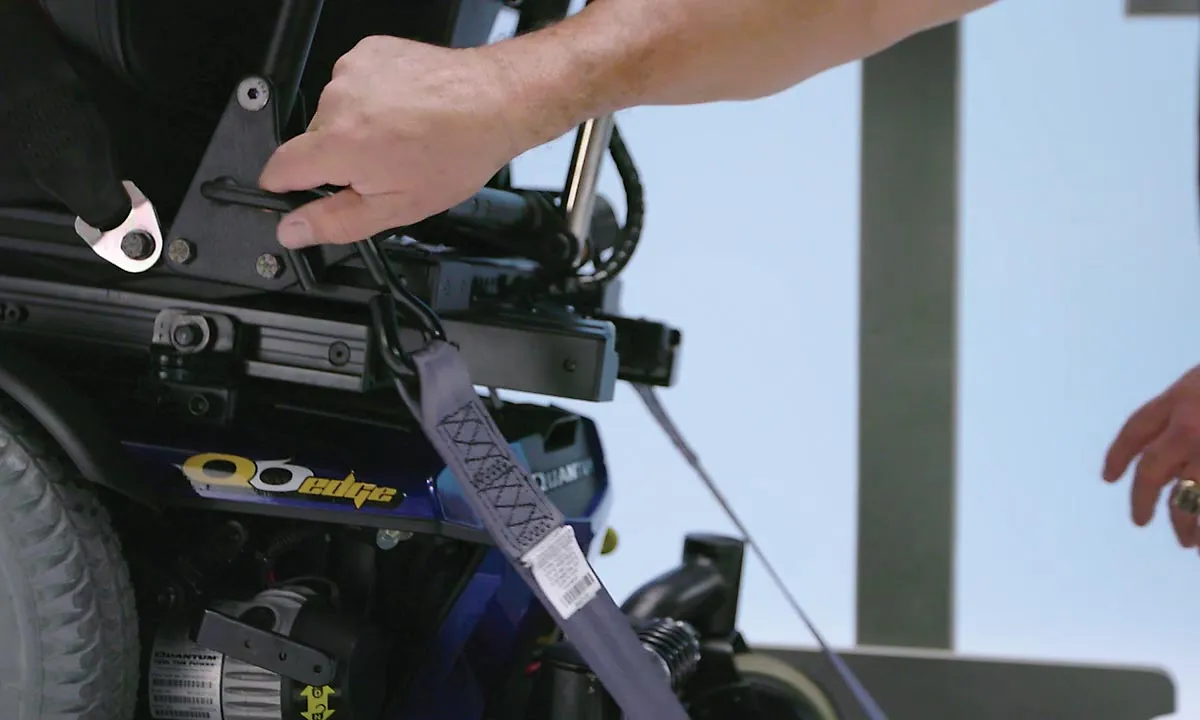 Step 3 · Secure
Finish tie-downs and the occupant belt inside.
FAQ
Share vehicle entry (rear/side), ramp type, wheelchair weight and who helps board. A Maya Mobility specialist will say whether INQLINE, a different lift, or classic securement is the honest next step.
Also explore