Rails · retractors · belts

Vehicle Securement Systems

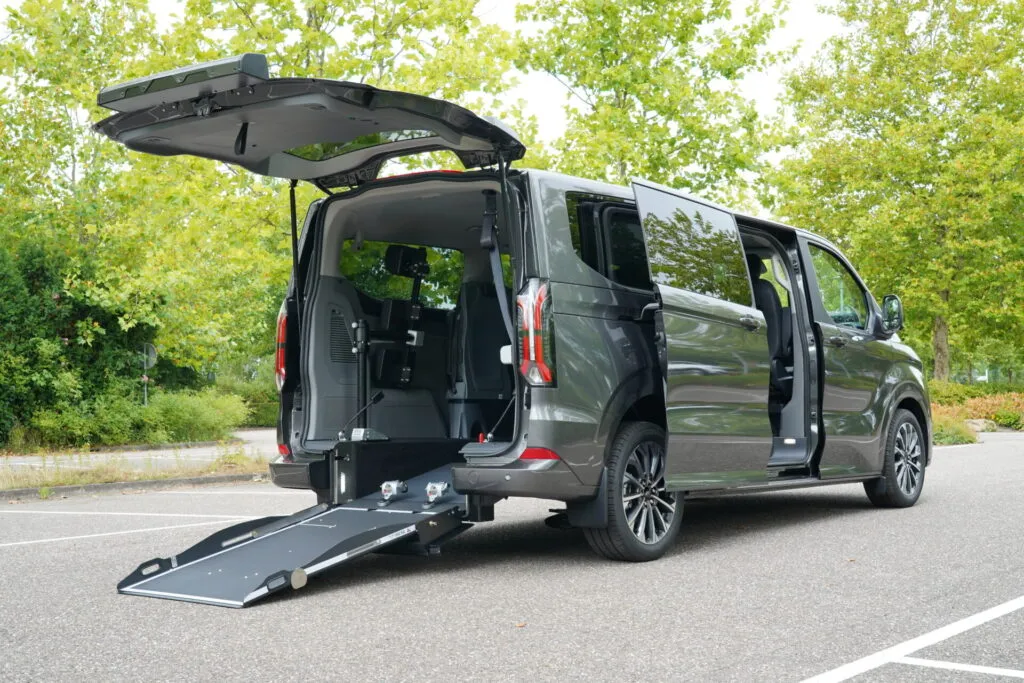
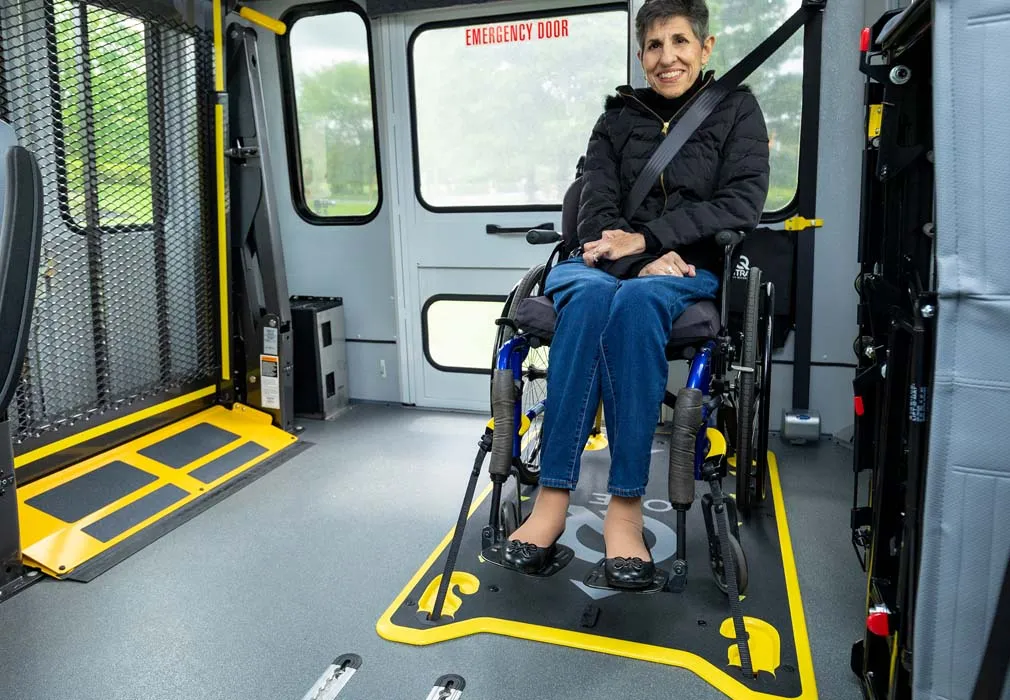
Aluminium floor rails and restraint kits that turn “somewhere to hook the straps” into a clear system: chair held at four points, person held by a proper occupant belt — installed so your conversion team can live with it every day.

What most people never realise

Seeing metal tracks on the floor does not mean you have a safe setup.

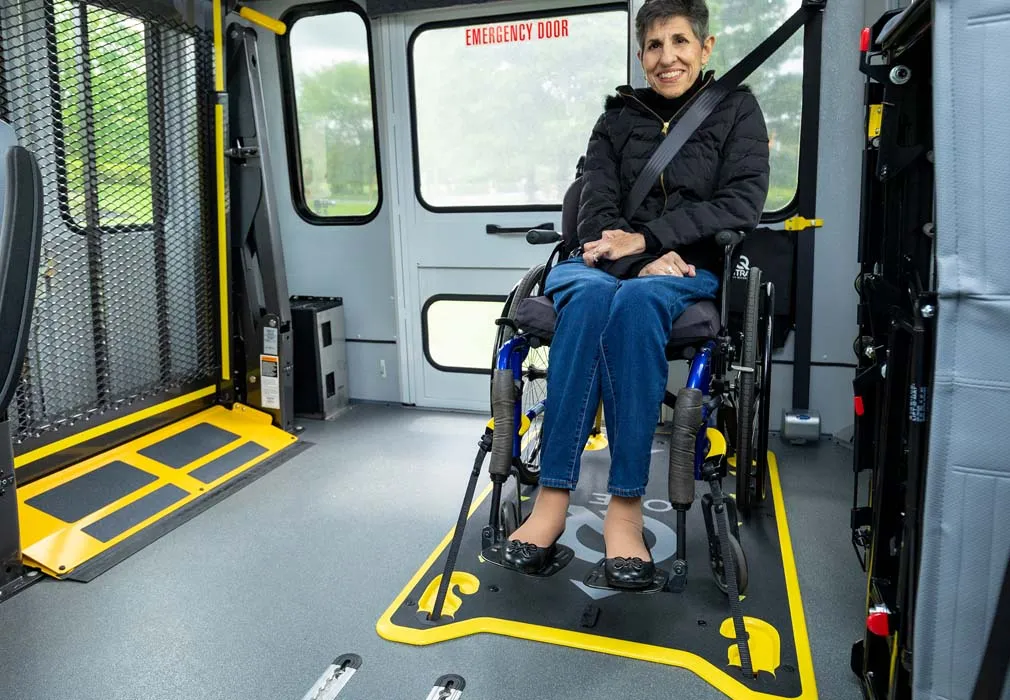
Many private WAVs and conversions arrive with rails — or with belts that only go around the occupant — and families assume that is enough. Crash-tested practice is clearer: the wheelchair needs its own tie-downs into the vehicle structure, and the person needs a separate restraint. Mixing those jobs is how dangerous shortcuts start.

This page is for people who need the classic layout: aluminium rails (surface or flush), retractor or mixed kits, and lap / 3-point occupant belts. If every driver needs an identical automated station, see Maya One. If boarding the ramp is the nightmare, see Maya Inqline.

01 · Aluminium floor rails

Anchor points that travel with the floorplan.

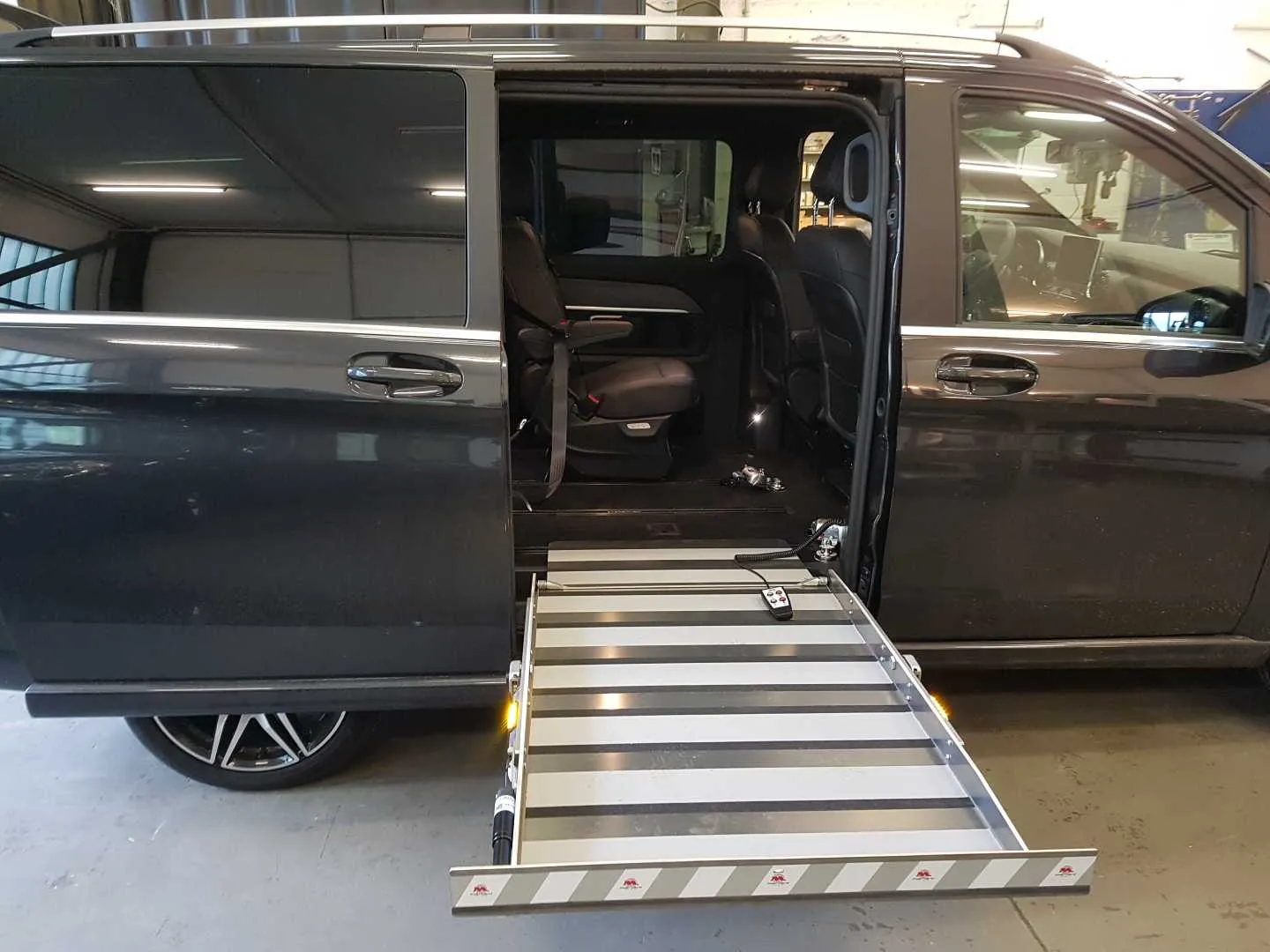
Surface or recessed aluminium rails give fittings a continuous track so wheelchair positions can shift with seating layouts — and so seats with quick-release legs can share the same floor language where certified.
02 · Four-point wheelchair securement

Front and rear — not “one good strap”.

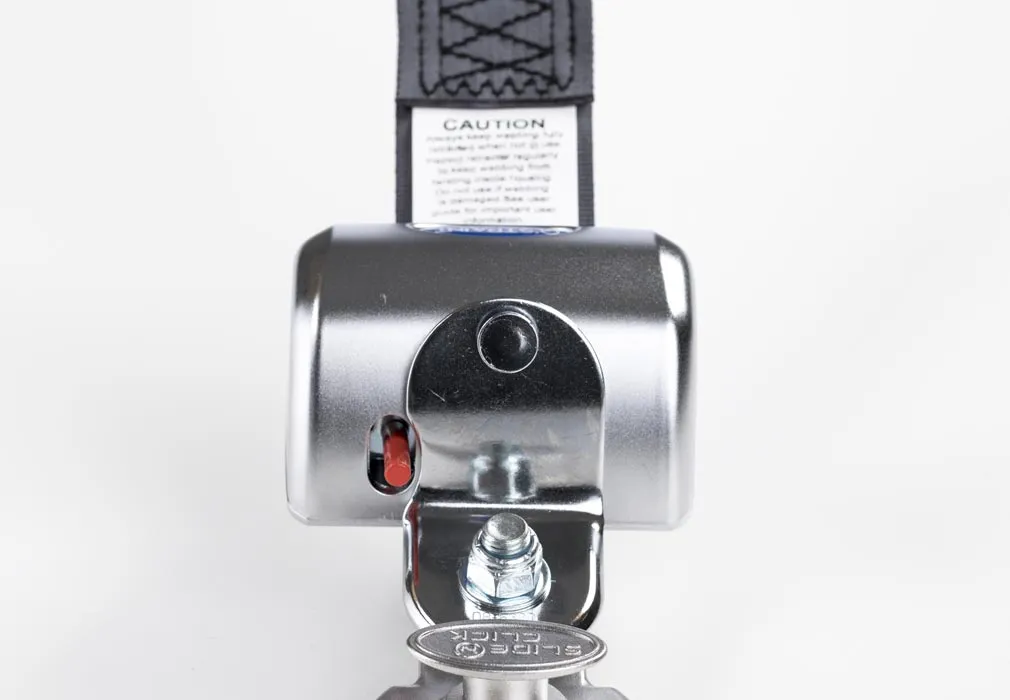
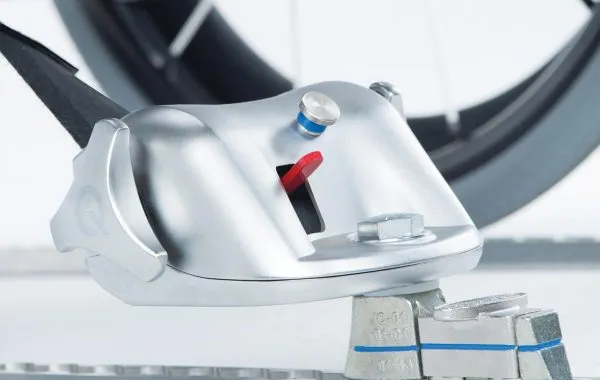
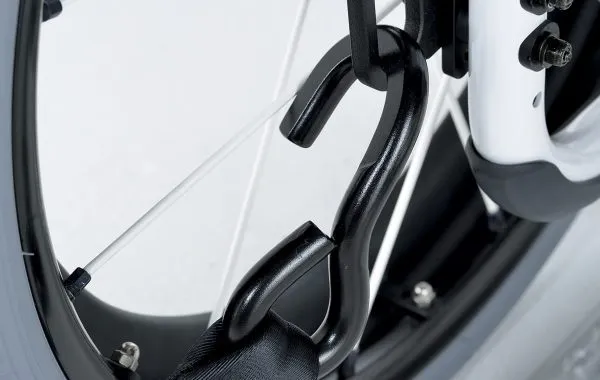
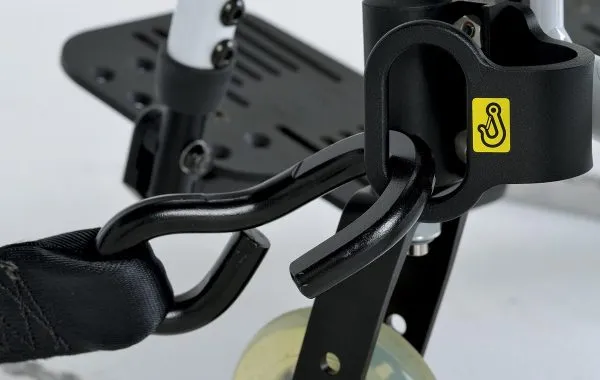
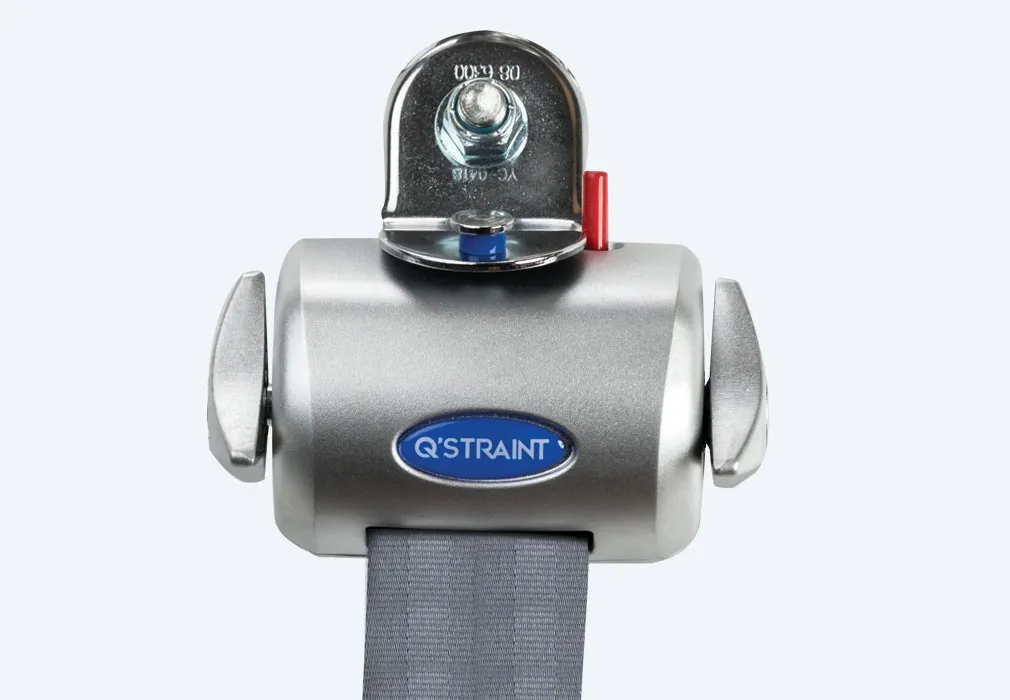
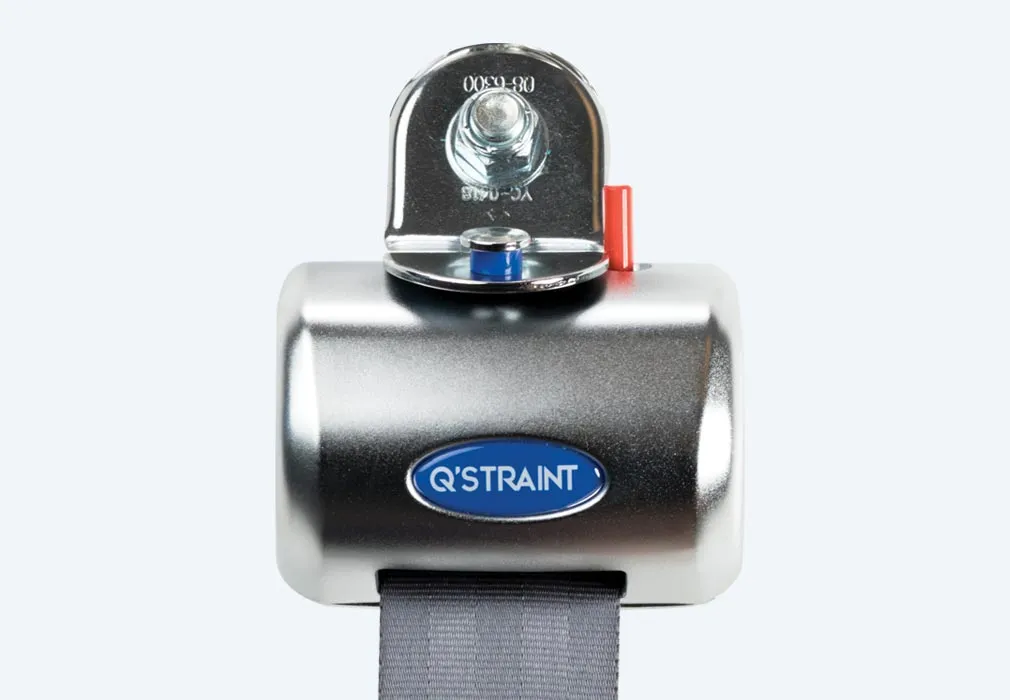
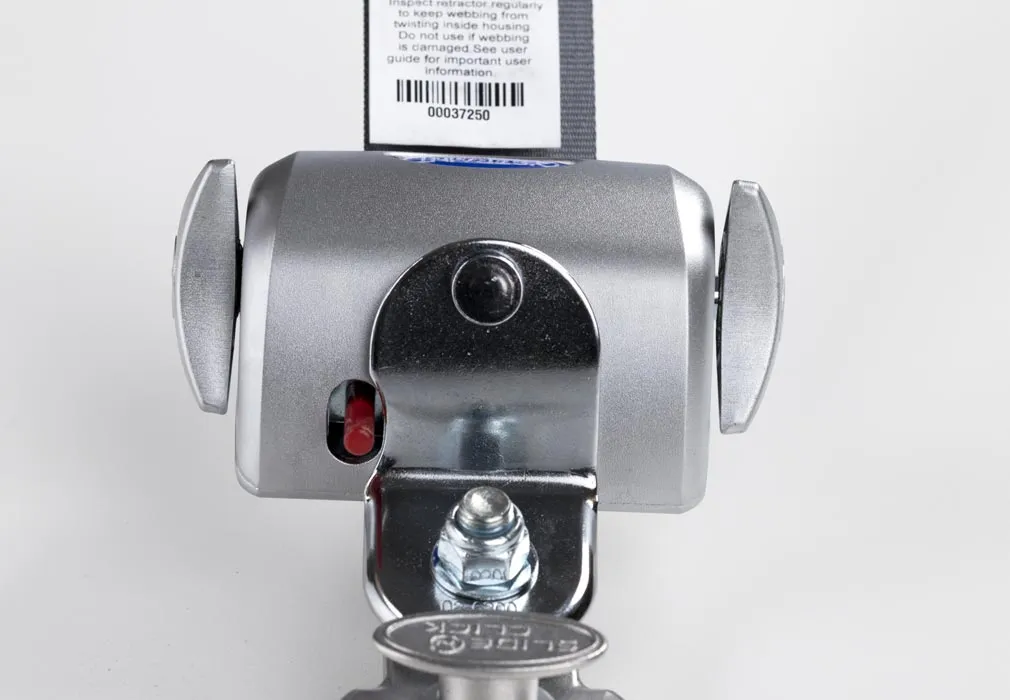
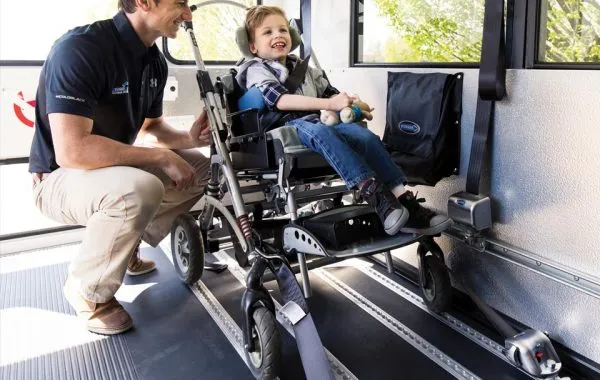
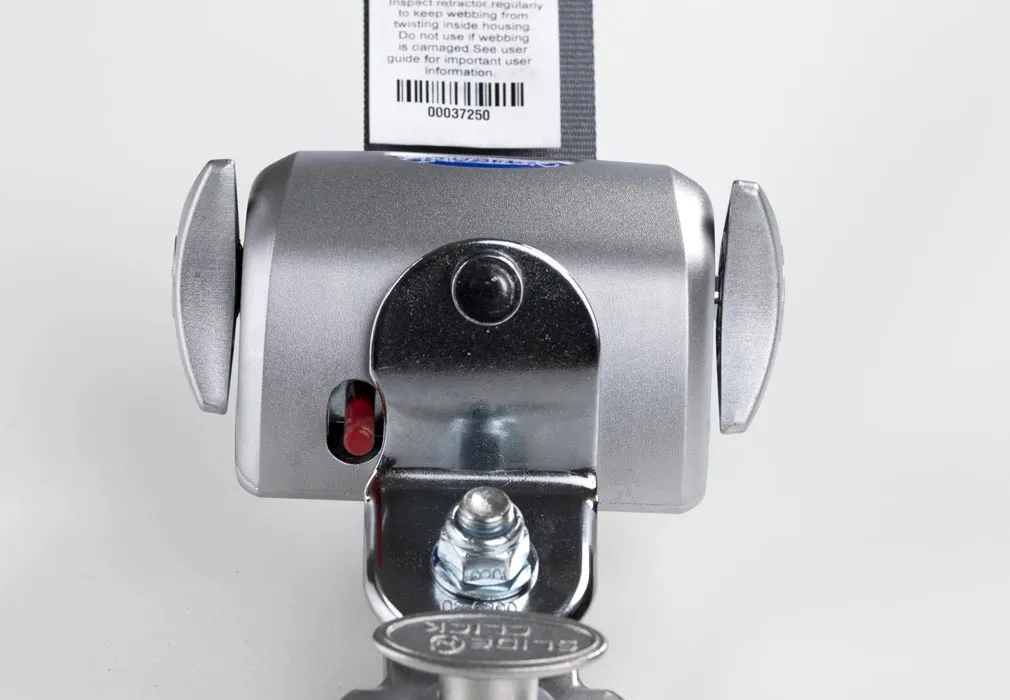
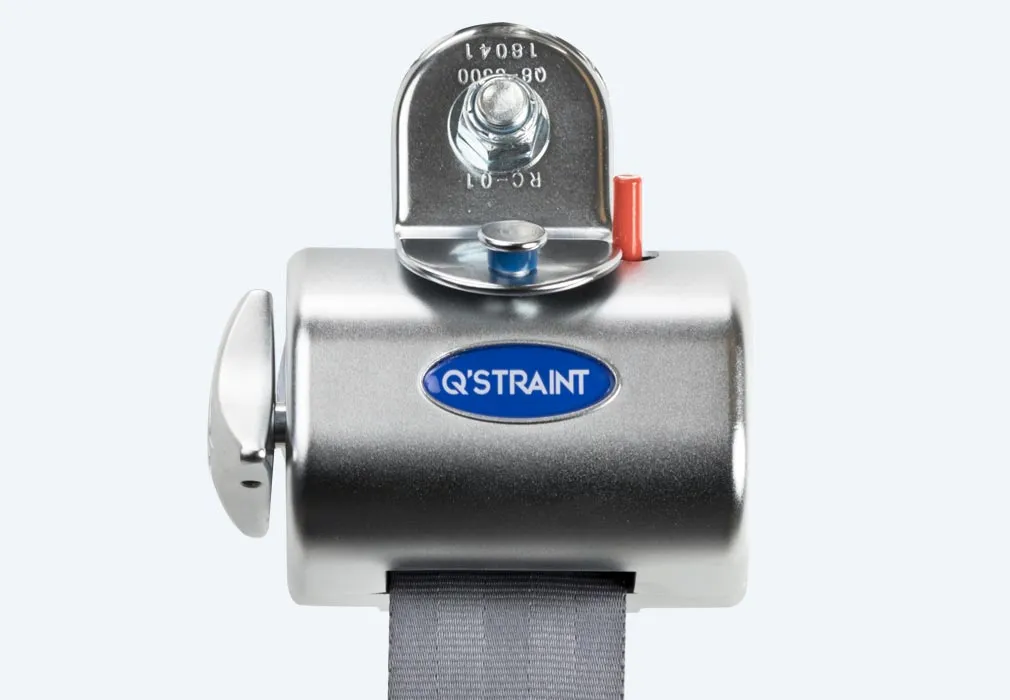
Kits typically combine automatic retractors and / or static belts so the chair is held at four points into the rail or disc anchors. That is the language converters and ISO 10542-class systems share.

03 · Occupant restraint

Lap belt minimum — 3-point when the cabin allows.

The person is never “secured by the wheelchair belts alone.” We specify lap and, where layout permits, 3-point occupant restraints anchored to the vehicle — not to the wheelchair frame.

04 · Rail or disc mounting

Match the floor you actually have.

Some vans want continuous rails; others want compact disc anchors. Maya Mobility maps fitting type to vehicle structure and how often you reconfigure the cabin — so you are not buying hardware that cannot be installed cleanly.

Typical kit paths

You do not need to name the model — describe the day.

4× automatic retractors + lap belt · rail
2× retractors + 2× static belts + lap · rail
4× retractors + lap · disc anchors
Surface aluminium rail · up to ~3.6 m class lengths
Flush / built-in rail for cleaner cabin
Optional 3-point occupant upgrade

Exact kit codes depend on supplier and certification for your vehicle category. Tell Maya Mobility whether you reconfigure seats often, carry one regular wheelchair or many types, and whether carers or drivers operate the straps — we translate that into a bill of materials and install plan.

FAQ

Quick answers before you call.

No. Postural belts on the chair are not a substitute for a vehicle-anchored occupant restraint. The chair and the person are secured separately.
Disc or fixed anchors can be enough for a fixed position. Rails win when you move seats, change chair sizes, or want flexibility — Maya Mobility will say which is honest for your van.
The international standard families of wheelchair tiedown and occupant-restraint systems (WTORS) are tested against. Ask for certified kits and professional installation — not generic cargo straps.
Many aluminium rail systems are used with quick-release seats where the seat and floor package are certified together. Never assume any seat drops into any rail — we check compatibility.

Have rails — but no clear kit? Or no rails at all?

Send vehicle model, photos of the floor, wheelchair type and whether you need 2-point or 3-point occupant belts. A Maya Mobility specialist will propose rails, discs and kit options without jargon overload.

Write to us

Write to us